

Zambia and Türkiye Deepen Economic Ties to Drive Investment and Growth
Zambia and Türkiye Reaffirm Commitment to Boost Trade and Investment in Mining, Infrastructure and Agriculture
Zambia and Türkiye have reaffirmed their commitment to strengthening bilateral economic cooperation following a high-level engagement between the Minister of Finance and National Planning, Dr Situmbeko Musokotwane, MP, and the Turkish Ambassador to Zambia, His Excellency Huseyin Barbaros Dicle.
Ambassador Dicle paid a courtesy call on Dr Musokotwane at the Ministry of Finance and National Planning headquarters, where discussions focused on expanding sustainable investment partnerships across sectors of shared economic interest. The meeting underscored Zambia’s strategic objective of deepening economic diplomacy and attracting long-term, value-adding investments.
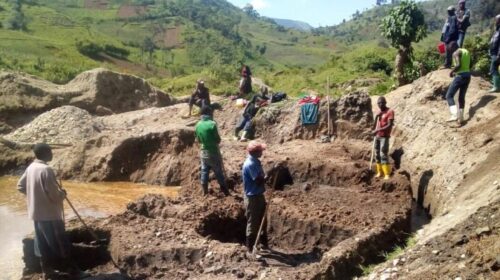
Dr Musokotwane welcomed the Ambassador and reiterated Zambia’s strong interest in large-scale Turkish investments in priority sectors, including mining, railways, tourism, and agriculture—areas central to the country’s economic growth and diversification agenda.
He highlighted Türkiye’s strong economic performance as one of Europe’s most dynamic economies and noted the significant potential for mutually beneficial growth through targeted investments in Zambia’s productive sectors.
The Minister emphasized that increased participation by the Turkish private sector would support value addition, industrial development, and job creation, contributing to shared prosperity for both nations.
He further noted that under the New Dawn Administration, key sectors such as agriculture, tourism, manufacturing, mining, and transport and logistics are viewed not only as economic pillars, but also as critical drivers of inclusive socio-economic transformation.
By scaling up investment in agro-processing, sustainable tourism infrastructure, mineral value addition, and regional transport corridors, Zambia aims to unlock domestic value chains, enhance export competitiveness, and harness the potential of its youthful workforce.
Dr Musokotwane added that this strategy aligns with Zambia’s ambition to transition from being landlocked to land-linked, while remaining future-ready.
In response, Ambassador Dicle reaffirmed strong interest from the Turkish private sector in Zambia’s mining sector and highlighted the introduction of regular Turkish Airlines flights as a major boost to connectivity between the two countries.
He noted that improved air links are already facilitating business engagement, investment exploration, and tourism, thereby strengthening the practical foundations of bilateral economic cooperation.
Dr Musokotwane expressed confidence that the engagement would translate into tangible investment outcomes aligned with Zambia’s long-term development objectives. He stated that the dialogue reflects Zambia’s transition into a new phase of development, characterized by ongoing economic reforms, strengthened macroeconomic stability, and a renewed focus on growth, investment, and job creation.
The Minister stressed that partnerships anchored in productive investment and private-sector participation are essential to sustaining economic momentum and ensuring that the benefits of economic stability are converted into broad-based opportunities for Zambians.
Dr Musokotwane was accompanied by Acting Secretary to the Treasury, Mr Mulele Mulele, and Accountant General, Ms Nsandi Manza.
The courtesy call builds on a long-standing history of high-level engagement between Zambia and Türkiye, supported by multiple cooperation agreements and sustained business interactions. To date, the two countries have signed 25 bilateral agreements aimed at promoting trade and investment.
Regular ministerial dialogue, development cooperation through institutions such as the Turkish Cooperation and Coordination Agency (TIKA), educational exchange programmes, and improved connectivity continue to underscore the multidimensional nature of the partnership.
While pursuing distinct development pathways, Zambia and Türkiye bring complementary strengths to their relationship. Türkiye offers a diversified industrial base, a strategic position bridging Europe and Asia, deep integration into global trade networks, and expanding technological capacity.
Zambia, in turn, provides abundant natural resources, a strategic land-linked position in Southern Africa, an expanding infrastructure agenda, and a strong policy focus on value addition, export diversification, and private-sector-led growth.