

Zambian Communities Demand $420 Million Compensation Over Toxic Mine Spill
Zambia Mine Spill Victims Seek $420 Million From Sino Metals After Toxic Waste Disaster
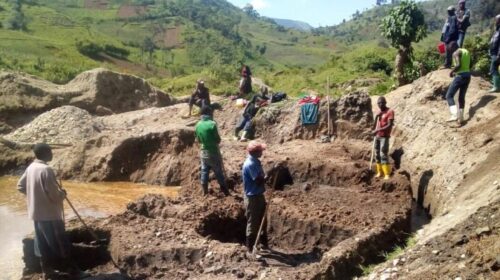
Communities affected by a massive toxic spill at a Zambian mine in February are demanding $420 million in compensation from Sino Metals Leach Zambia Ltd., a Chinese state-owned company that operates the site.
Two separate legal groups issued formal letters of demand to Sino Metals in recent days, according to documents confirmed by their legal representatives.
The claims follow reports that the spill — involving highly acidic waste contaminated with toxic heavy metals — may have been more severe than first reported, ranking among the world’s most serious mining-related disasters.
The incident has drawn international attention, prompting responses from both the United States and China, and underscoring the environmental risks tied to the global race for critical minerals.
One letter, filed by Malisa & Partners Legal Practitioners, seeks $220 million in interim compensation to relocate 47 Kalusale households directly impacted by the spill.
The demand also covers medical testing, treatment, and livelihood restoration for affected families.
A separate letter, from Malambo & Co., represents other Kalusale residents and additional Zambian citizens. It requests $200 million to establish an emergency compensation fund.
A Sino Metals spokesperson confirmed the company had received the letters, which are under review by its legal department, but declined further comment.
An environmental impact assessment conducted by Drizit Environmental (Pty) Ltd., initially hired by Sino Metals, estimated that as much as 1.5 million tonnes of toxic waste were released in the disaster.
The firm later reported that 900,000 cubic meters (238 million gallons) of tailings remain in the environment, containing dangerous levels of cyanide, arsenic, copper, zinc, lead, chromium, cadmium, and other pollutants.
According to Drizit, exposure to these substances poses significant long-term health risks, including organ damage, cancer, and birth defects.
Sino Metals has since dismissed Drizit for alleged contract breaches and has questioned the methodology used to assess the spill.
While Zambia’s government initially downplayed the severity of the spill, it later confirmed the presence of dangerous heavy metal levels in water samples.
Several foreign embassies have issued health warnings advising their citizens to avoid the contaminated area.
China’s Ministry of Foreign Affairs stated that Sino Metals had “actively shouldered responsibility” and worked with the Zambian government on compensation efforts.
Zambia’s authorities also praised the company’s response during an August briefing, though they have not commented on the latest legal demands.
The outcome of the compensation claims will likely test the balance between Zambia’s reliance on foreign mining investment and the urgent need to safeguard communities affected by environmental disasters.
SOURCE:mining.com