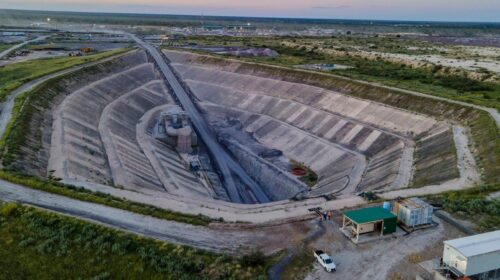


Zimbabwe to Enforce Stricter Environmental Regulations in Mining Sector
Zimbabwe Launches Responsible Mining Initiative Part 2 with Tougher Penalties for Environmental Violations
Zimbabwe is set to implement one of its strictest enforcement regimes for the mining sector, with companies facing the loss of licences if they fail to meet environmental standards.
The new phase of the Responsible Mining Initiative, dubbed Part 2, was announced by Mines and Mining Development Minister Winston Chitando. It will impose legally binding penalties on firms that neglect land rehabilitation or breach ecological regulations.
In an interview Chitando emphasized that the framework is designed to address environmental damage decisively, stating that it “will tackle issues relating to environmental harm, which will include the potential loss of mining titles.”
The move comes amid growing public frustration over pollution, deforestation, and harmful mining practices that have affected communities across the country. Mining remains Zimbabwe’s most lucrative export sector, generating over 60 percent of foreign earnings through gold, platinum, and lithium production.
However, decades of weak oversight have allowed both artisanal and industrial operators to leave behind polluted rivers, abandoned pits, and degraded land, particularly in Manicaland, Midlands, and Mashonaland West.
Local communities have raised repeated concerns about toxic waste, unsafe working conditions, and the lack of accountability. Civil society organizations have also criticized authorities for failing to enforce court rulings and for protecting politically connected operators.
Under the new framework, the government plans to shift the sector from voluntary compliance to strict enforcement. The initiative will enhance coordination with the Environmental Management Agency and require miners to submit comprehensive rehabilitation and mine-closure plans before any extraction begins.
Authorities say the reforms are intended to protect ecosystems and ensure that mining contributes to sustainable national development rather than environmental degradation.