
Zambia Approves $971.5 Million in Energy Investments as Power Shortage Persists
Zambia Approves $971.5 Million in Energy Projects Amid Power Deficit
Zambia’s Energy Regulation Board (ERB) has approved energy-sector investments worth approximately ZMW18.4 billion ($971.5 million), covering electricity, renewable energy and downstream petroleum activities.
The approvals include 23 licences, 20 construction permits and additional licence inclusions, marking a significant expansion of investment activity across Zambia’s energy sector.
The authorised projects cover renewable energy equipment manufacturing and supply, petroleum transportation and distribution, lubricant imports and blending, as well as 116 petroleum transporters.
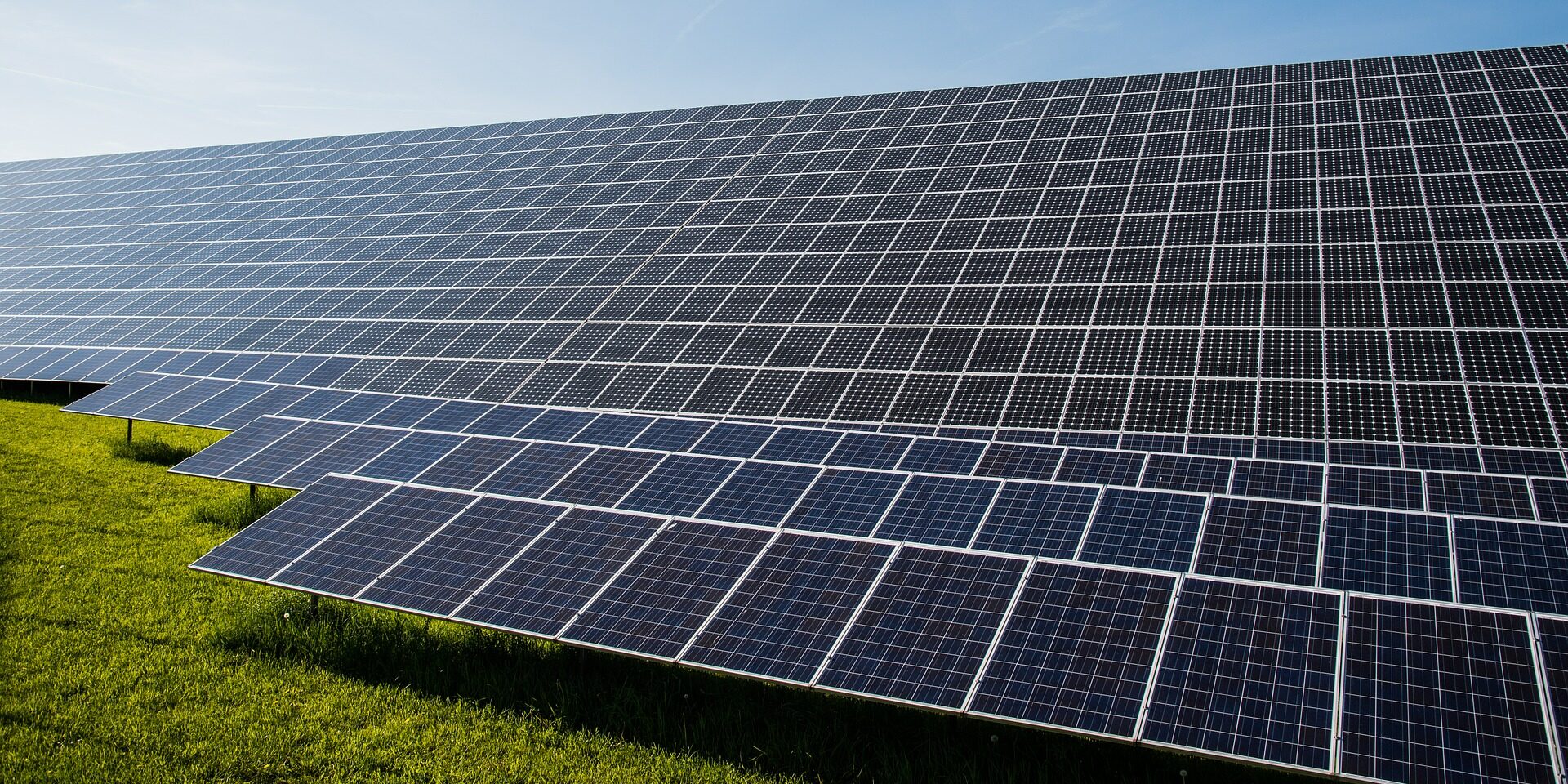
The ERB has also approved the commissioning of five retail service stations and two utility-scale solar projects, although the regulator has not disclosed the expected generation capacity or investment value of the two solar developments.
Solar Investment Targets Zambia’s Power Gap
The approvals come as Zambia continues to grapple with an electricity deficit largely linked to drought and reduced hydropower generation.
In February, the government reported that domestic electricity generation had fallen to approximately 1,635 MW, against national demand of about 2,400 MW.
The shortfall forced Zambia to import around 511 MW of electricity to supplement domestic supply.
The power deficit has increased pressure on the government to accelerate investment in alternative generation sources, particularly solar and thermal power, while maintaining efforts to expand and rehabilitate hydropower capacity.
Zambia’s renewable energy pipeline is expected to make a growing contribution to electricity supply.
The ERB’s 2025 Energy Sector Report estimated that projects already in development could add approximately 500 MW of renewable generation capacity during 2026, including projects associated with the government’s 1,000 MW solar power target.
However, regulatory approval alone does not guarantee that projects will immediately begin generating electricity.
Developers must still secure financing, complete construction and achieve commercial operation before the additional capacity can materially reduce the country’s power deficit.
The latest approvals extend beyond electricity generation, reflecting Zambia’s broader need to strengthen its energy supply infrastructure.
As a landlocked country, Zambia depends heavily on imported petroleum products transported through neighbouring countries and distributed through road and pipeline networks.
Rising demand from mining, manufacturing, agriculture, transport and a growing population has increased the importance of reliable fuel logistics and storage infrastructure.
The approval of 116 petroleum transporters, alongside new service stations and other downstream licences, could expand the capacity of the fuel distribution network and improve access to petroleum products across the country.
The developments also come amid ongoing reforms to Zambia’s petroleum supply chain.
The government has reported a reduction in petroleum procurement debt from more than $900 million in 2022 to approximately $210 million, while measures under the TAZAMA Open Access Framework have contributed to lower diesel pump prices.
While the nearly $1 billion investment pipeline represents an important boost for Zambia’s energy sector, securing financing and moving approved projects into construction will be critical.
The ERB has previously identified financial closure as one of the key challenges facing renewable energy developments, particularly where project preparation, financial modelling and project packaging are inadequate.
For Zambia, accelerating the transition from regulatory approval to project execution will be essential if the country is to close its electricity supply gap and reduce its vulnerability to drought-driven fluctuations in hydropower generation.
The latest approvals nevertheless signal growing private-sector activity across Zambia’s energy value chain and reinforce the government’s push to diversify electricity generation while strengthening petroleum infrastructure.
With electricity demand continuing to rise from households, mines and other large consumers, timely delivery of the newly approved projects could play an important role in improving energy security and supporting Zambia’s wider economic growth.