President Hichilema Urges Great Lakes Region to Prioritise Economic Integration and Conflict Prevention
Zambia’s Hichilema Calls for Regional Investment, Trade and Economic Integration to Prevent Conflict
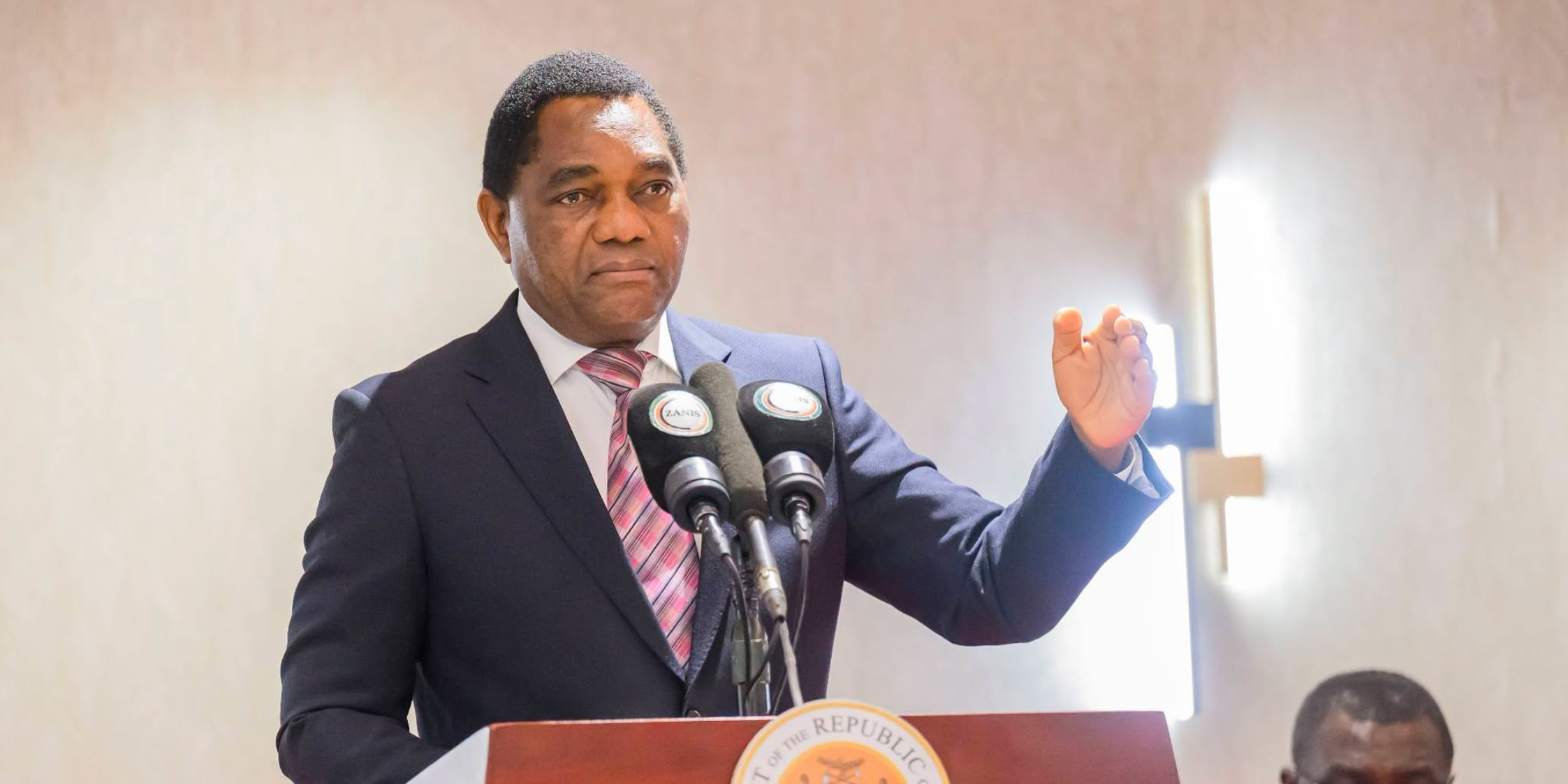
Zambia’s President Hakainde Hichilema has called on countries in the Great Lakes region to prioritise economic integration, cross-border trade and job creation as part of efforts to address the underlying causes of conflict and strengthen regional stability.
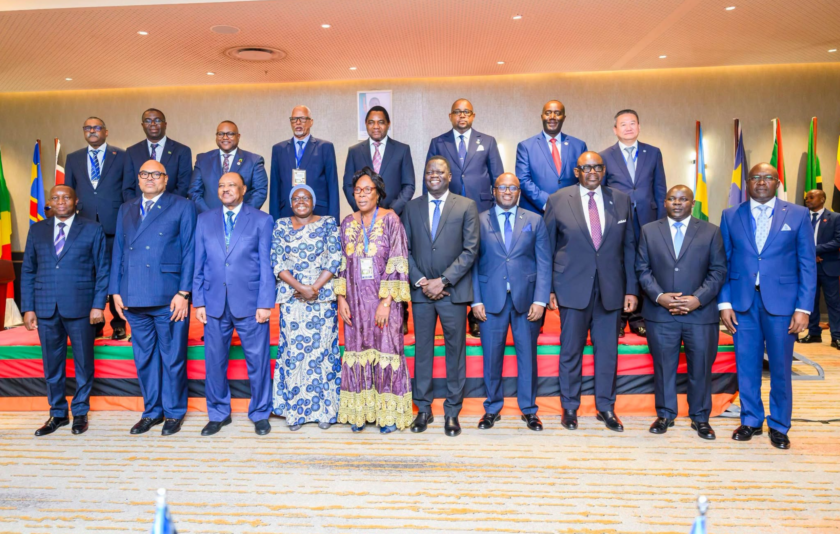
Speaking at the opening of the 20th Ordinary Session of the Regional Inter-Ministerial Committee (RIMC) of the International Conference on the Great Lakes Region (ICGLR) in Lusaka on 19 October, Mr Hichilema said poverty, economic exclusion and youth unemployment remained among the factors contributing to instability.
He urged member states to shift from responding to conflicts after they erupted towards preventing them through economic development, investment and expanded opportunities for local communities.
The President also challenged the ICGLR to move beyond routine meetings and translate its commitments into practical outcomes that improve livelihoods and strengthen cooperation among member states.
Regional Trade and Investment at the Centre of Integration
Mr Hichilema called for stronger regional investment partnerships, arguing that African countries should make greater use of capital and business opportunities within the continent rather than relying primarily on investors from Europe, the Americas and Asia.
He said neighbouring countries could collaborate through joint ventures and cross-border investments to develop shared economic opportunities and strengthen regional value chains.
The President also advocated 24-hour border operations to facilitate the movement of goods and services, reduce delays and improve the utilisation of regional transport infrastructure.
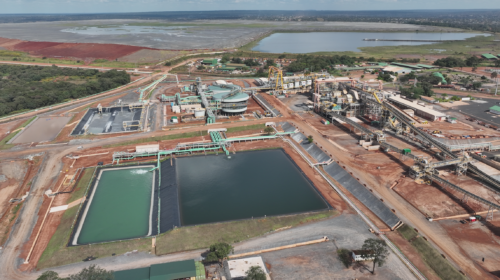
He cited the Lobito, Tanzania-Zambia Railway Authority (TAZARA) and Walvis Bay corridors as strategic routes that could support broader economic activity beyond the transportation of minerals, including agriculture, manufacturing and electricity trading.
Mr Hichilema said transport corridors should help connect producers to markets, encourage industrial development and strengthen commercial links between countries.
He also called for greater intra-regional food trade, urging regional procurement institutions to source surplus agricultural products from neighbouring countries before turning to overseas markets.
The President highlighted Zambia’s agricultural production ambitions under the Grow Zambia agenda, which targets annual output of 10 million tonnes of maize, three million tonnes of soybeans and one million tonnes of wheat. He said increased production could contribute to regional food security and create opportunities for cross-border trade.
Mining Regulation and Resource Governance
Mr Hichilema called for stronger regulation of mining activities to reduce resource-related conflicts, protect workers and the environment, and ensure mineral wealth contributes to sustainable economic development.
He outlined four priorities: legalising and regulating mining operations, improving worker and environmental protection, formalising artisanal and small-scale mining, and securing mining sites against armed groups and criminal networks.
The President also called for an end to the use of mercury in gold processing, warning of its potential harm to shared water bodies and local livelihoods.
His remarks highlighted the importance of transparent and responsible mineral resource management in a region where illicit exploitation of natural resources has contributed to insecurity.
Formalising small-scale mining and strengthening oversight could also help improve working conditions, reduce environmental damage and ensure greater economic benefits reach local communities.
Regional Leaders Call for Stronger Security Cooperation
Speaking at the same meeting, Zambia’s Minister of Foreign Affairs and International Cooperation, Mulambo Haimbe, said the Great Lakes region’s natural resources, fertile land and youthful population offered significant economic potential, but this remained constrained by armed conflict, humanitarian crises and the illicit exploitation of minerals.
Mr Haimbe said the 20th anniversary of the ICGLR Pact should serve as an opportunity for member states to translate political commitments into concrete action through stronger implementation, realistic decision-making and respect for national sovereignty and territorial integrity.
Democratic Republic of Congo (DRC) Minister of Regional Integration Floribert Anzuluni Isiloketshi called on member states to prevent their territories from being used to destabilise neighbouring countries or fuel proxy conflicts.
Mr Anzuluni, who chairs the ICGLR’s Regional Inter-Ministerial Committee, emphasised the importance of respecting national sovereignty and strengthening cooperation to address cross-border security threats.
He also called for the operationalisation of early warning systems to help member states identify emerging threats, share information and respond to potential conflicts before they escalate.
He said effective early warning mechanisms were essential to strengthening preventive diplomacy and ensuring that regional security commitments translated into practical action.
African Union Calls for More Effective Regional Mechanisms
African Union Special Envoy to the Great Lakes region Sghair Ould M’Bareck urged the ICGLR to strengthen its institutional capacity and move beyond its role as a consultative forum towards becoming a more effective mechanism for addressing insecurity, armed conflict and humanitarian crises.
He said stronger authority, operational capacity and political commitment were needed to bridge the gap between diplomatic agreements and their implementation.
Mr M’Bareck called on member states and international partners to support reforms that would strengthen regional conflict-resolution mechanisms and reinforce African-led peace initiatives.
The discussions highlighted the close relationship between economic development and regional security, with participants emphasising the need for coordinated action to address both the economic pressures and security challenges affecting the Great Lakes region.
For Zambia and its neighbours, closer economic integration could create opportunities to expand trade, attract investment and develop regional industries while strengthening cooperation on shared security and environmental concerns.
The meeting underscored the importance of translating regional commitments into practical measures that deliver economic opportunities, improve livelihoods and support lasting stability.