Chemaf Backs DRC-US Minerals Partnership as Mutoshi Restart Gains Momentum
Chemaf Targets 2027 Mutoshi Production Restart as DRC-US Critical Minerals Partnership Advances
Chemaf has welcomed the creation of a new DRC-US strategic minerals task force, describing it as an important step toward strengthening cooperation between the Democratic Republic of Congo and the United States in the development of critical mineral supply chains.
The announcement comes as the copper and cobalt producer accelerates efforts to bring its flagship Mutoshi project back into production under its new ownership structure, led by US-based Virtus Minerals in partnership with India’s Lloyds Metals & Energy.
In a statement, Chemaf said it supports the newly established bilateral task force, which is expected to advance strategic cooperation on critical minerals between the two countries.
The company believes the initiative could help attract investment, support industrial development and strengthen responsible sourcing of minerals required for global energy transition technologies.
Chemaf highlighted the growing role of Mutoshi within the partnership, noting that the project received attention earlier this year during a visit by US Chargé d’Affaires Ian McCary, who toured the company’s copper and cobalt operations and reviewed progress toward restarting production.
According to the company, the US Embassy has identified the Mutoshi redevelopment as a flagship American-backed investment in the DRC, viewing the project as an example of how responsible investment can strengthen critical mineral supply chains while creating long-term benefits for local communities.
Major Debt Restructuring Underway
The company’s recovery strategy has been supported by significant progress in restructuring its debt burden.
According to reports cited by Semafor, agreements reached with creditors holding most of Chemaf’s liabilities are expected to reduce the miner’s debt by more than half.
The company had accumulated approximately US$804 million in debt, much of which stemmed from the development of its Mutoshi copper-cobalt project.
The restructuring could lower outstanding obligations to approximately US$330 million, removing a major obstacle that has delayed the completion and restart of Chemaf’s key mining assets.
Industry observers view the debt reduction as a critical milestone in restoring the company’s financial stability and improving its ability to attract the capital needed to complete project development.
Mutoshi and Étoile Near Completion
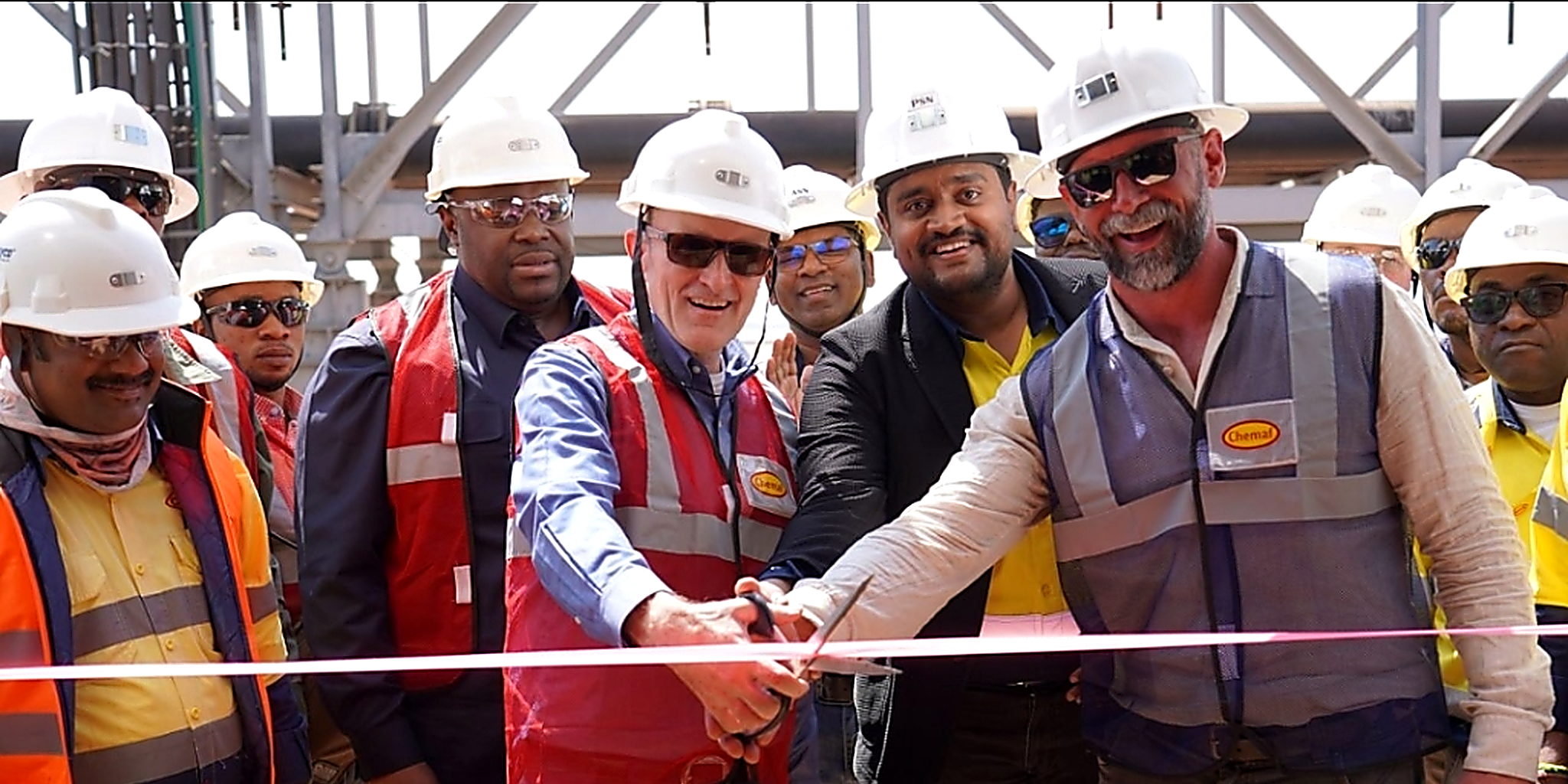
Chemaf said both the Mutoshi and Étoile projects are moving closer to completion, reinforcing the company’s commitment to investment, employment creation and skills development in the DRC.
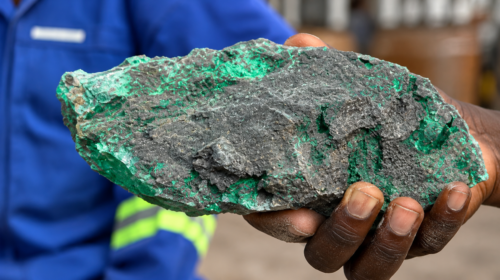
The Mutoshi project, located near Kolwezi in the heart of the Central African Copperbelt, is regarded as one of the country’s most significant copper and cobalt developments.
Under the new ownership consortium, the mine is expected to play an important role in supplying minerals required for electric vehicles, battery technologies and renewable energy infrastructure.
Reports indicate that commercial-scale production at Mutoshi is targeted for July 2027, although additional financing will still be required to complete construction and commissioning activities.
The creation of the DRC-US task force is viewed as part of broader efforts to deepen cooperation on critical minerals and increase investment in the country’s mining sector.
The initiative aims to translate policy commitments into tangible economic outcomes through project development, infrastructure investment and job creation.
For Chemaf, the strengthening of bilateral cooperation, combined with debt restructuring and project development progress, represents an opportunity to reposition itself as a major player in the global copper and cobalt market.
As construction advances at Mutoshi and Étoile, the company is positioning itself for a return to large-scale production, supported by growing demand for critical minerals and increasing international interest in the DRC’s vast resource base.