
Zambia and Mozambique Strengthen Cooperation to Curb Fuel Measurement Discrepancies Along Beira Corridor
Zambia, Mozambique Sign MoU to Address Fuel Losses and Improve Trade Along Beira Corridor
Zambia and Mozambique have strengthened technical cooperation to address petroleum measurement discrepancies and unaccounted-for fuel losses along the Beira Corridor, in a move aimed at improving accountability, reducing commercial disputes and lowering costs for businesses using the strategic trade route.
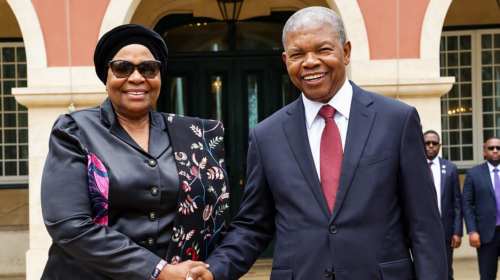
The cooperation follows the signing of a memorandum of understanding (MoU) between Mozambique’s National Institute of Standardisation and Quality (INNOQ) and three Zambian quality infrastructure institutions: the Zambia Bureau of Standards (ZABS), the Zambia Compulsory Standards Agency (ZCSA) and the Zambia Metrology Agency (ZMA).
The agreement provides a framework for collaboration in standardisation, metrology, conformity assessment, training and accreditation, with the broader objective of facilitating trade, strengthening quality infrastructure and supporting industrial development.
Zambia’s Ministry of Commerce, Trade and Industry Permanent Secretary, Crusivia Hichikumba, said the agreement reflected a shared commitment to improving quality infrastructure and strengthening regional trade.
She noted that effective national quality infrastructure was essential to facilitating commerce, supporting industrialisation and improving the competitiveness of businesses in regional and international markets.
Petroleum Measurement Discrepancies Under Scrutiny
One of the immediate priorities under the cooperation is addressing discrepancies in petroleum measurements along the Beira Corridor, a key route through which Zambia imports fuel and other essential commodities via Mozambique.
Zambia Metrology Agency executive director Humphrey Nkobeni said discrepancies involving tanker trucks transporting petroleum products had raised concerns about measurement accuracy at loading and offloading points, differences in tanker calibration and verification, and reported fuel quantity losses.
Such inconsistencies can create financial losses and disputes between transporters and oil marketing companies, particularly when the quantities recorded at the point of loading differ from those measured upon delivery.
Mr Nkobeni said closer technical cooperation between the relevant Zambian and Mozambican institutions was necessary to address these challenges and improve confidence in petroleum measurements along the corridor.
Strengthening Standards and Measurement Systems
The MoU is expected to support greater coordination between the two countries’ quality infrastructure institutions, including efforts to improve measurement practices, verification procedures and conformity assessment.
Consistent calibration and verification of measuring equipment are important in ensuring that petroleum quantities are accurately recorded throughout the supply chain.
Improved coordination could help identify discrepancies, clarify the causes of reported losses and establish more consistent measurement practices across borders.
For businesses importing and transporting petroleum products, greater measurement accuracy could reduce disputes, improve operational accountability and provide greater certainty in commercial transactions.
The agreement’s wider focus on standardisation, training and accreditation could also strengthen technical capacity and improve the reliability of products and services traded between the two countries.
Beira Corridor Remains Critical to Regional Trade
The Beira Corridor is a strategic transport and logistics route linking landlocked Zambia to international markets through Mozambique. It plays an important role in the movement of petroleum products and other essential commodities into Zambia.
Improving measurement accuracy and coordination along the route could help reduce avoidable costs and strengthen confidence among importers, transporters and other supply-chain participants.
The cooperation also reflects the importance of cross-border collaboration in addressing technical challenges that affect trade and industrial competitiveness.
As implementation progresses, the effectiveness of the agreement will depend on how the institutions coordinate technical procedures, strengthen verification systems and address discrepancies identified along the petroleum supply chain.
By improving measurement integrity and strengthening quality infrastructure, Zambia and Mozambique aim to support more reliable petroleum trade while reinforcing the efficiency of one of the region’s key transport corridors.