ZCCM-IH Eyes Gold-Led Growth as Zambia Pushes to Formalise Untapped Gold Sector
ZCCM-IH Chairman Highlights Zambia’s Gold Potential and Plans to Boost Formal Production at FT Africa Summit 2026
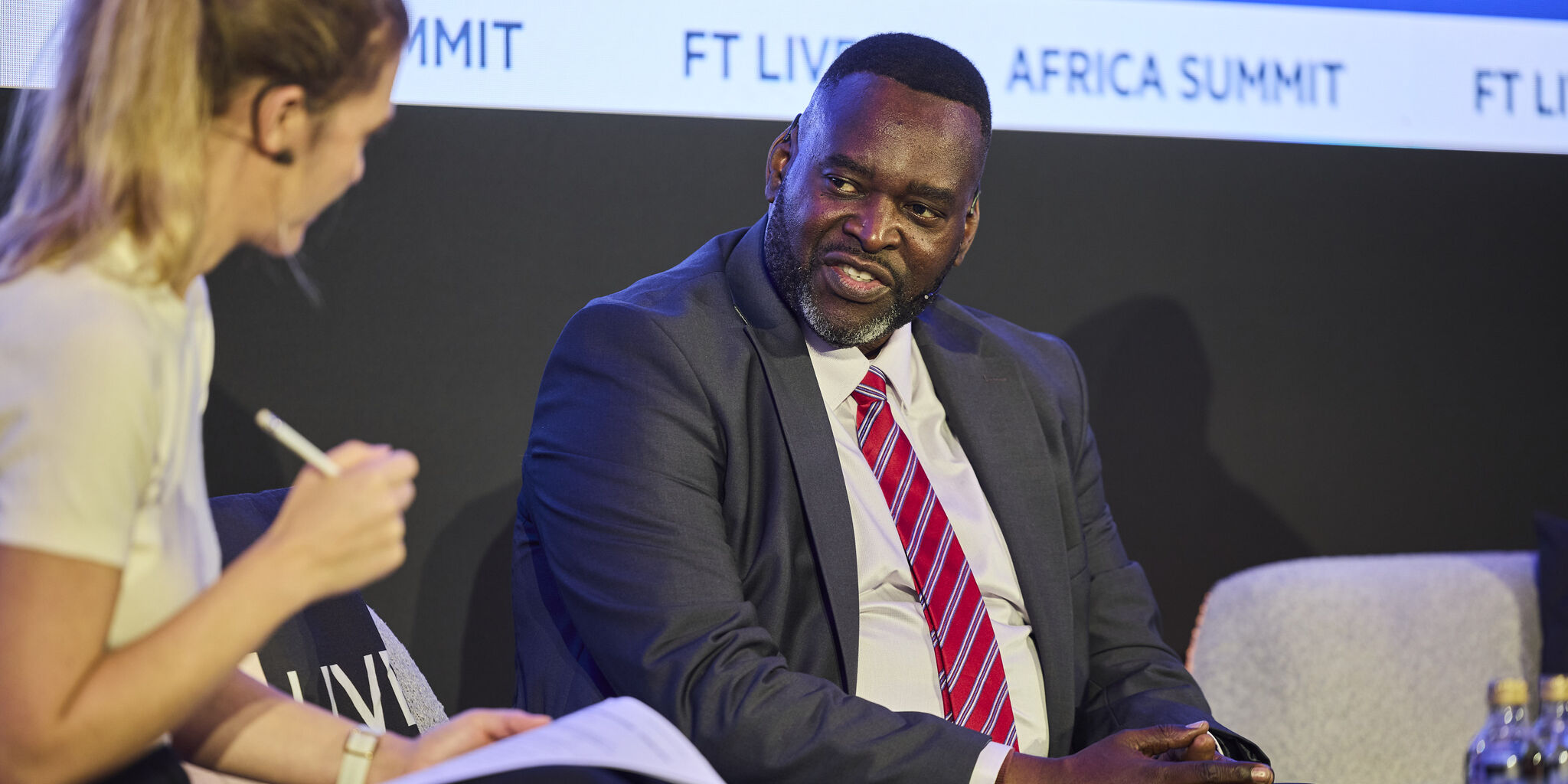
Zambia has the potential to transform its emerging gold sector into a major pillar of economic growth, wealth creation and financial stability, according to ZCCM Investments Holdings Plc (ZCCM-IH) Board Chairperson Phesto Musonda.
Speaking during a high-level panel discussion on “Gold, Sovereignty and Stability” at the Financial Times Africa Summit 2026 in London, Musonda outlined Zambia’s strategy to formalise gold production, strengthen national reserves and ensure more value from the country’s mineral resources remains within its borders.
His remarks come as governments across Africa increasingly seek to leverage gold as a strategic asset to support economic resilience, strengthen foreign exchange reserves and reduce exposure to global financial volatility.
Musonda noted that Zambia’s officially recorded gold production stood at approximately 127,000 ounces last year, a figure that he said does not fully reflect the scale of activity taking place within the sector.
He pointed to trade data showing that the United Arab Emirates imported nearly US$1.8 billion worth of gold from Zambia in 2023, highlighting the considerable gap between formal production figures and the broader value of gold linked to the country.
The discrepancy, he said, illustrates the significant opportunity available to Zambia through the formalisation of gold production and trading channels.
“As a country, we have an opportunity to unlock substantial value by bringing more gold production into the formal economy,” Musonda said.
Formalisation has become a key priority for Zambia as authorities seek to improve traceability, enhance regulatory oversight and increase the economic benefits derived from artisanal and small-scale mining activities.
Industry stakeholders believe that a larger formal gold sector could contribute to government revenues, employment creation and the strengthening of the country’s mineral reserve base.
At the centre of these efforts is Kyalo Goldfields, a ZCCM-IH initiative established to purchase gold from licensed small-scale miners for onward sale to the Bank of Zambia.
The programme is designed to create a transparent and traceable supply chain while providing legitimate market access for local gold producers.
By aggregating production from licensed miners and directing it into formal channels, the initiative aims to improve accountability across the value chain while supporting the accumulation of national gold reserves.
“We are building a traceable chain, from the pit to the vault. Lifting formal output to several hundred thousand ounces a year is achievable,” Musonda said.
The initiative also reflects a broader trend across the continent, where governments are increasingly looking to formalise artisanal mining activities that have historically operated outside regulated systems.
Advocates argue that formalisation can help combat illicit mineral flows, improve environmental and social standards, and create greater opportunities for local participation in the mining economy.
Musonda further reaffirmed Zambia’s commitment to attracting responsible investment into the mining sector through policy consistency, transparent governance and strategic partnerships.
He said ZCCM-IH continues to position itself as the government’s investment vehicle and partner of choice in unlocking the country’s mineral wealth, not only in gold but across the broader mining value chain.
“Every ounce that enters the formal chain is value that stays in Zambia and works for the Zambian people,” he said.
The emphasis on gold comes as Zambia pursues an ambitious agenda to diversify and expand its mineral production base.
While the country remains one of Africa’s leading copper producers, policymakers have increasingly identified gold as an important complementary resource that can contribute to foreign exchange earnings, reserve accumulation and broader economic development.
The Financial Times Africa Summit marked the culmination of a series of high-level engagements in London involving government officials, mining executives and international investors focused on strengthening partnerships and promoting Zambia’s long-term mining growth strategy.
As global interest in mineral-rich African economies continues to grow, Zambia is seeking to position itself as a destination for responsible mining investment while ensuring that a greater share of the value generated from its natural resources is retained for national development.