
Zambia Reports US$12 Billion in Mining Investment as It Targets 3 Million Tonnes of Copper
Zambia has attracted more than US$12 billion in mining investment since 2022, President Hakainde Hichilema told Al Jazeera.
The government aims to lift annual copper production to 3 million tonnes by 2031, more than triple the country’s 2025 output of 890,346 tonnes.
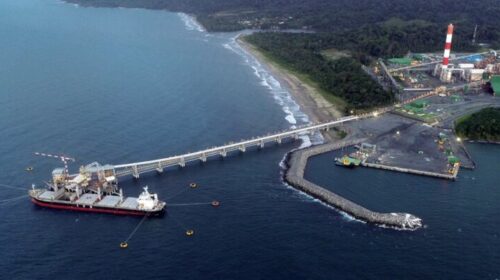
One of the largest commitments is at Mopani Copper Mines, where the United Arab Emirates’ International Resources Holding (IRH) committed US$1.1 billion to revive operations after acquiring a 51% stake.
Mopani is targeting 300,000 tonnes of finished copper annually by 2029. First Quantum Minerals, Barrick, Vedanta Resources and China Nonferrous Metal Mining Group are also among Zambia’s major mining investors.
Power supply will shape Zambia’s production plans
Zambia’s copper output rose 7.9% in 2025, reaching a record, before falling 4.3% year on year to 208,992 tonnes in the first quarter of 2026.
The DRC produced about 3.4 million tonnes in 2025, according to US Geological Survey figures cited by LePoint.cd, already above Zambia’s 2031 target.
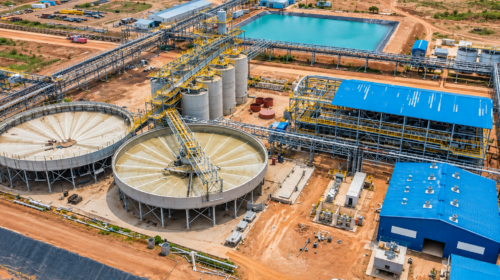
Reliable electricity will be critical as mines expand and processing plants take on more ore.
Analysts cited by The Zambian Economist estimate that Zambia could need at least 2,000 MW of additional generating capacity to meet its copper target.
Drought has already reduced output from the country’s hydropower plants.
Zambia and the DRC take different approaches to local content
Zambia’s local content rules set a minimum share of mining procurement for Zambian suppliers.
The threshold starts at 20% for essential goods and services and rises to 40% from the fifth year.
At Mopani, Zambian-owned businesses supplied US$311 million of the US$685 million the company spent on goods and services in 2025, or about 45%.
The DRC applies a minimum Congolese ownership requirement of 51% to eligible subcontractors.
From 1 December 2026, LePoint.cd reported, the country’s subcontracting regulator will also require proof that Congolese shareholders receive their dividends.
The two countries are also working together on materials for electric vehicles, Hichilema said.
That cooperation gives Zambia and the DRC a shared opportunity to build processing capacity and retain more value from the minerals they produce.