
Musokotwane Defends Zambia’s IMF Partnership, Says Mineral Wealth Alone Cannot Guarantee Economic Prosperity
Zambia’s Finance Minister Defends IMF Engagement Amid Proposed US$1.472 Billion Financing Programme
Zambia’s Minister of Finance and National Planning, Dr Situmbeko Musokotwane, has defended the country’s continued engagement with the International Monetary Fund (IMF), arguing that its abundant mineral resources do not eliminate the need for international financial cooperation and sound economic management.
In a statement issued on 18 November 2026, Musokotwane addressed concerns over Zambia’s continued reliance on international financial partnerships despite its significant deposits of copper, cobalt, gold and other valuable minerals.
The Minister cited Saudi Arabia, China, South Africa and several advanced economies, including the United States, Germany and Japan, as examples of countries that maintain IMF membership despite their considerable economic strength or natural resource endowments.
He explained that the institution’s role extends beyond lending to include technical assistance, economic policy consultation and international monetary stability.
Zambia Pursues New US$1.472 Billion IMF Programme
Zambia completed the final review of its Extended Credit Facility (ECF) programme in January 2026, with cumulative disbursements reaching approximately US$1.7 billion.
In October 2026, the Government reached a staff-level agreement with the IMF on a proposed new 36-month financing arrangement worth approximately US$1.472 billion.
The proposed programme, which remains subject to IMF Executive Board approval, seeks to strengthen debt sustainability, maintain economic stability and encourage private sector investment.
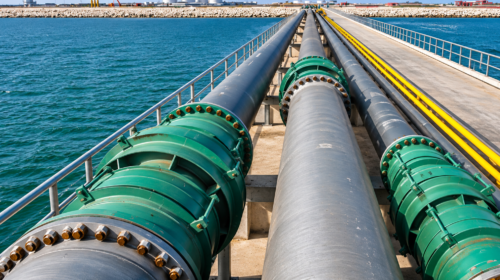
Among its proposed structural reforms are measures to improve transparency in mining licensing and beneficial ownership, strengthen domestic revenue mobilisation and restore competitive access to the TAZAMA petroleum pipeline.
Leveraging Mineral Wealth for Economic Transformation
Musokotwane stressed that realising the full economic potential of Zambia’s mineral resources requires substantial investment in infrastructure, technology, skills development and local industrial capacity.
He said the expansion of mining activities must deliver greater domestic mineral processing, increased export revenues, employment opportunities and wider participation by Zambian enterprises in mineral supply chains.
The Minister linked these priorities to the 2027 National Budget and the Grow Zambia Agenda, which seek to move the country beyond economic recovery towards increased production and industrial development.
Balancing International Cooperation and Economic Sovereignty
While defending Zambia’s relationship with the IMF, Musokotwane acknowledged that economic reforms can impose challenges on households and that citizens have the right to scrutinise their social and financial consequences.
He maintained that international financial cooperation should complement domestic economic policies rather than replace national decision-making.
“Partnerships where necessary, national ownership always, and development benefits for all,” Musokotwane said.
The Minister reiterated that Zambia’s long-term objective is to build a diversified and resilient economy capable of financing its own development while maintaining constructive international partnerships.