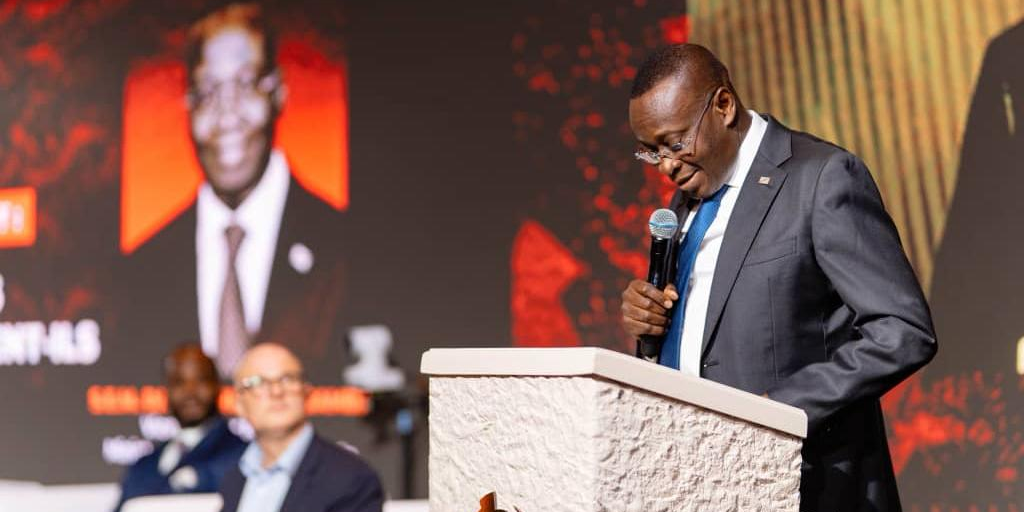
Mukoko Samba Sets Out Four Conditions for DRC Mining Partnerships
DRC’s Mukoko Samba Asks Kamoa Copper and Sicomines to Disclose Local Spending
The Democratic Republic of Congo’s Deputy Prime Minister and Minister of National Economy, Daniel Mukoko Samba, has asked Kamoa Copper and Sicomines to disclose how much of their procurement and subcontracting spending goes to Congolese businesses.
He said the share of spending that stays in the country should help determine whether a mining partnership delivers lasting benefits.
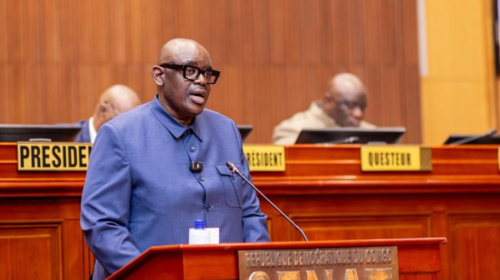
Speaking at Makutano Mining 2026 in Kinshasa on 24 November, Mukoko Samba said mining deals should be judged over the life of a project.
Alongside the amount invested, he said the government should assess the public revenue a project generates and whether its contracts help Congolese suppliers grow and gain access to finance.
Four conditions for mining partnerships
Contracts that can evolve with the project. Mukoko Samba cited Botswana’s partnership with De Beers as an example of how mining agreements can be renegotiated over time.
He said governments and investors should be able to examine the assumptions behind projected returns and public revenues.
Commercially viable local processing. He said processing more copper and cobalt in the DRC would require reliable electricity, competitive transport costs and buyers for the finished products. He pointed to Indonesia’s nickel industry as an example of what can happen when energy, logistics and market access support domestic processing.
Local procurement that builds skills. Mukoko Samba proposed assessing local-content commitments when awarding mining rights. He said contracts should help Congolese suppliers acquire the skills to take on more complex work.
A state with the expertise to negotiate. He called for public institutions with the technical and financial capacity to assess investors’ projections, negotiate terms and protect the public interest.
Kamoa Copper reports US$1 billion in payments to Congolese contractors
Kamoa Copper said it had paid approximately US$1 billion to Congolese contractors and that one of its two main mining contractors was fully Congolese owned.
The company gave a dollar figure. Calculating the share Mukoko Samba requested would also require total procurement and subcontracting spending for the same period.
Sicomines highlighted its infrastructure commitments, including the 240 MW Busanga hydropower plant. Mukoko Samba also called on state-owned Gécamines to assess its impact by how many Congolese suppliers it helps meet international mining standards.