DRC’s 2,000MW Power Shortfall Threatens Copper and Cobalt Processing in Katanga
DRC Faces 2,000MW Power Deficit Threatening Copper and Cobalt Processing in Grand Katanga
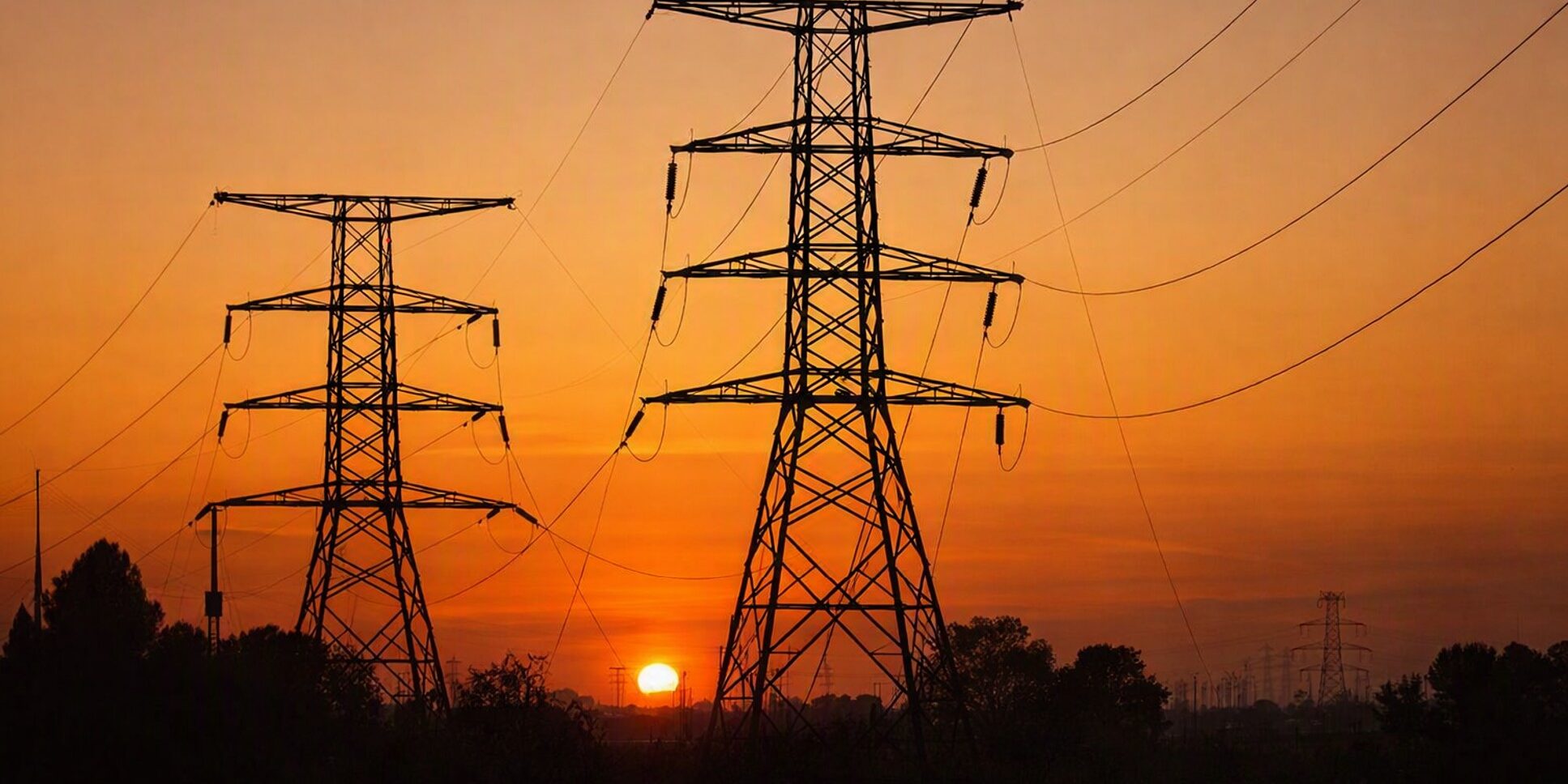
The Democratic Republic of Congo is facing an electricity deficit of more than 2,000 megawatts (MW) in the Grand Katanga region, creating a major obstacle to the expansion of copper and cobalt processing, according to Mines Minister Sakombi Molendo.
The shortage is particularly concerning for the DRC’s mining industry, which depends heavily on reliable electricity to operate processing plants and expand value addition.
The Grand Katanga region, home to some of the country’s largest copper and cobalt operations, is experiencing growing demand for power as mining companies increase production and invest in refining and processing capacity.
According to Molendo, insufficient electricity supply is limiting the country’s ability to move beyond the export of raw or semi-processed minerals.
The government wants to increase local processing so that more value is retained within the DRC and additional jobs and industrial opportunities are created.
The power deficit also poses challenges for the country’s ambitions to strengthen its position in the global critical minerals supply chain.
The DRC is the world’s leading producer of cobalt and one of the largest copper producers, with both minerals playing an increasingly important role in electric vehicles, renewable energy systems and energy-storage technologies.
Addressing the electricity shortage will therefore require significant investment in generation and transmission infrastructure.
Greater cooperation between the government, mining companies and power-sector investors will be needed to expand supply and improve the reliability of the grid.
The government’s push for domestic mineral processing is part of a broader strategy to increase industrialisation and reduce dependence on the export of unprocessed resources.
However, without adequate and dependable electricity, expanding copper and cobalt refining capacity will remain difficult.
Closing the more than 2,000MW gap in the Grand Katanga region could therefore become a critical factor in determining how quickly the DRC can develop a stronger domestic mineral-processing industry and capture greater economic value from its vast copper and cobalt resources.