DRC Seizes More Than 500 Trucks in Major Copper and Cobalt Mining Crackdown
Authorities Seize Copper and Cobalt Shipments in Sweeping DRC Mining Investigation
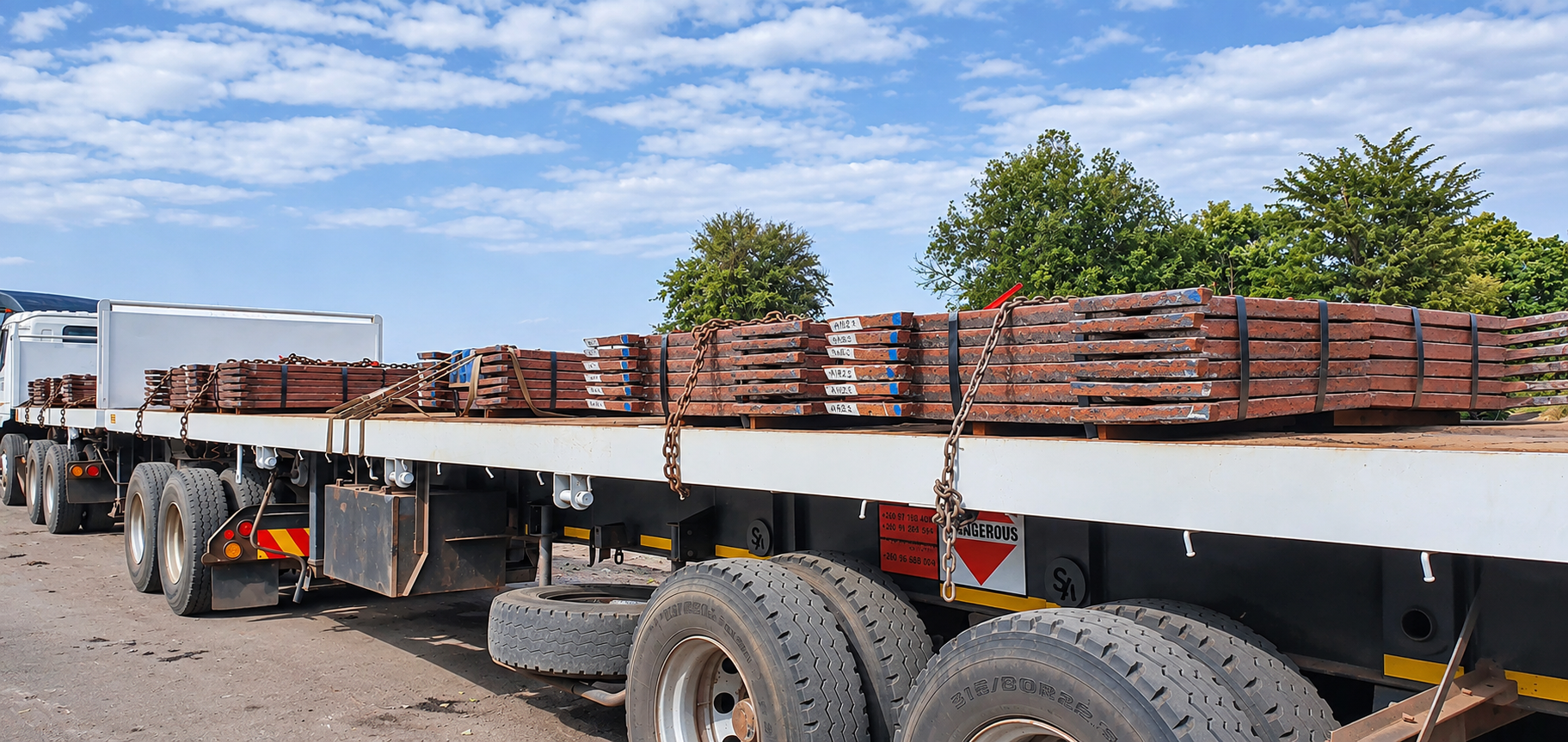
KINSHASA, DRC — Authorities in the Democratic Republic of Congo have launched a major investigation into suspected illegal mining and mineral trading following the seizure of more than 500 trucks and thousands of tonnes of copper and cobalt in the country’s mineral-rich southeastern provinces.
The enforcement operation, reported by Reuters on 3 November 2026, has brought renewed attention to mineral traceability, regulatory compliance and the protection of licensed mining concessions in Lualaba and Haut-Katanga.
The seized vehicles and mineral consignments are now subject to judicial investigations aimed at determining the circumstances surrounding their extraction, ownership, transportation and intended destinations.
The authorities are examining suspected unauthorised mining activities, including operations allegedly conducted within concessions held by licensed mining companies.
The scale of the seizures underscores the challenges facing the DRC as it seeks to strengthen oversight of an industry central to global copper and cobalt supply chains.
Mineral traceability under scrutiny
The DRC is one of the world’s most important sources of copper and cobalt, supplying minerals essential to electrical infrastructure, electric vehicles and battery manufacturing.
However, the movement of minerals through complex supply chains creates significant regulatory challenges, particularly where industrial mining concessions overlap with informal and artisanal activities.
The latest investigation raises questions about whether existing mineral documentation and transportation controls are sufficient to distinguish legally produced minerals from material extracted or traded without authorisation.
For mining companies, unauthorised activities within licensed concessions can create operational, safety and commercial risks.
For the government, mineral movements that are not properly documented may undermine regulatory oversight and the assessment of applicable taxes and royalties.
Wider implications for the Copperbelt
The investigation could have implications beyond the DRC’s borders because southeastern Congo is closely connected to Zambia through mineral transport corridors, processing operations and regional logistics networks.
Any additional enforcement measures affecting mineral transportation could have consequences for companies operating along the Zambia–DRC Copperbelt.
However, the seizure of trucks does not itself establish that their cargo was destined for Zambia or that Zambian companies were involved.
Those questions require confirmation from investigators.
The case is also likely to renew debate about the balance between protecting legitimate mining investments and providing lawful economic opportunities for artisanal miners.
Investigation continues
The judicial process will be important in establishing whether the seized minerals were illegally extracted, improperly documented or transported in violation of applicable regulations.
No criminal liability should be presumed before the relevant facts have been established.
For the DRC mining industry, the case highlights the importance of stronger mineral-origin verification, transparent transport documentation and effective enforcement of mining laws.
As investigations proceed, the central question is whether the operation will produce lasting improvements in mineral governance or remain an isolated enforcement exercise.