
DRC Signs Deal with BGN Intl to Revolutionize Mineral Supply Chain
DRC Partners with BGN Intl to Transform Mineral Trade, Promote Transparency, and Drive Local Development
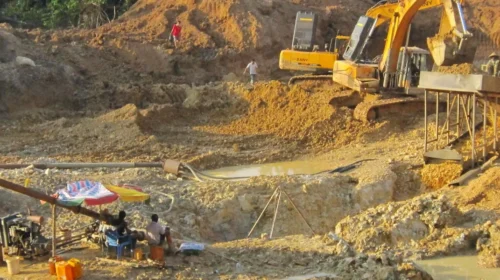
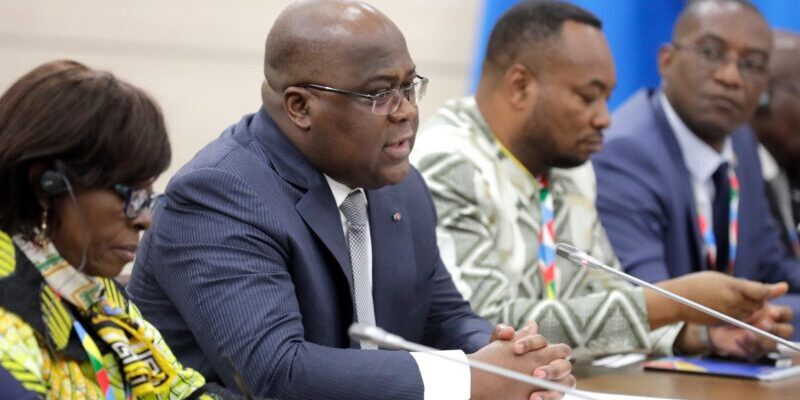
The Democratic Republic of Congo (DRC) has signed a landmark agreement this week with BGN International, the American arm of a global energy giant. This pioneering deal creates a one-stop platform for commercial and government buyers of DRC’s rich mineral resources, aiming to streamline extraction, sales, and supply chain governance.
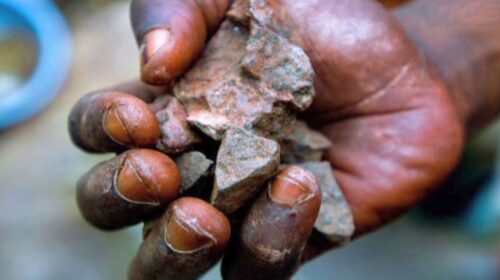
The DRC government emphasizes that the agreement will enhance the management of mining products through end-to-end monitoring and support artisanal miners by promoting fair-trade principles that benefit local communities. Moreover, the deal is designed to curb losses caused by informal trade circuits and unregulated intermediaries.
As the global AI-driven technological revolution accelerates, the demand for critical minerals—essential for data centers, clean energy, batteries, and advanced defense technologies—has surged dramatically.
Heightened defense spending worldwide is placing unprecedented pressure on supply chains to meet innovative manufacturing needs.
Currently, China controls the majority of critical mineral supply and processing, raising security and geopolitical concerns over global reliance on Beijing. Africa, holding approximately 30% of global critical mineral reserves—including bauxite, rare earth elements, cobalt, and copper—is emerging as a crucial player in this strategic race.
Though based in the DRC, this agreement highlights Africa’s vast resource value while providing a transparent and commercially viable framework for mineral extraction. Early in its implementation, such market-based platforms could deliver substantial economic benefits by creating new demand for local beneficiation, refining, and processing, alongside significant job creation.
Several African countries—Uganda, Zimbabwe, Kenya, Ghana, among others—have already introduced policies requiring certain export conditions to encourage local development.
The DRC is signaling its commitment to this approach. The government stresses that partnerships like the BGN deal will add considerable value to national development goals by boosting state revenues from royalties and dividends, increasing employment, and enhancing the country’s position in the global commodity market.
The Atlantic Council recently recommended that the DRC adopt local content policies and domestic processing strategies to unlock broader economic gains. Currently, most of the DRC’s minerals are exported primarily to China. This new deal aims to diversify and strategically reposition the country’s mineral exports on the global stage.
Africa has reason to be cautious of mining deals, given historical exploitation and the so-called ‘resource curse.’ However, this public-private partnership offers a fresh path forward.
The DRC government’s ownership stake ensures that profits remain within the country, while BGN’s global marketing network guarantees access to robust buyers and a sustainable commercial model.
The agreement has drawn strong support from Washington. Following executive orders under President Trump prioritizing critical mineral security as a national imperative, U.S.-linked mining ventures like this are expected to receive political and financial backing from American institutions. This endorsement boosts confidence among development financiers, impact investors, and venture capitalists interested in mining projects.
Senator Ted Cruz has championed a stronger U.S. investment presence in Africa, stating, “The extraction, processing, refining, and manufacturing of critical minerals is complex but represents an opportunity to shift U.S.-Africa relations from aid-based to investment-led engagement.”
U.S. involvement also brings important security considerations. President Trump’s facilitation of peace talks between the DRC and the Rwandan-backed M23 rebels—who control mineral-rich eastern territories—reflects the strategic interest in stabilizing the region. Peace is essential for sustainable mining growth and global business confidence.
As Western nations seek supply chain alternatives independent of China, they promote partnerships that emphasize transparency, governance, and human rights. Alongside criticism of traditional resource-backed loans by the African Development Bank, new frameworks led by Western governments and private firms are gaining momentum.
If DRC mineral supply can be made traceable and governed by strong regulations supported by global powers, similar partnership models could spread across Africa. This would foster regional economic integration with cross-border processing facilities in countries like Rwanda or Zambia and enhance mineral transport corridors such as the Lobito Corridor, linking Atlantic ports to inland mining zones.
The African resource sector is poised for a breakthrough amid the critical minerals race. Supported by the security, transparency, and human rights standards championed by the U.S. and European Union, Africa could see substantial economic growth in the next decade. Well-structured agreements, backed by political and security allies, may usher in a new era of transparent, traceable, and locally beneficial mining.