Zimbabwe Attracts Nearly $1 Billion in Lithium Processing Investments After Export Ban
Zimbabwe’s Lithium Beneficiation Push Drives $1 Billion in New Processing Investments
Zimbabwe’s decision to ban the export of raw lithium concentrates has triggered a wave of investment in domestic processing infrastructure, with commitments reaching nearly $1 billion, largely driven by Chinese mining companies operating in the country.
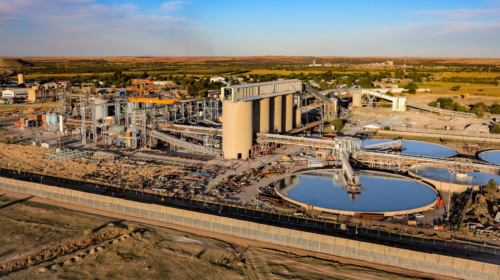
The policy shift, aimed at increasing local beneficiation and value addition, has accelerated the development of lithium sulphate processing plants as global demand for battery minerals continues to rise.
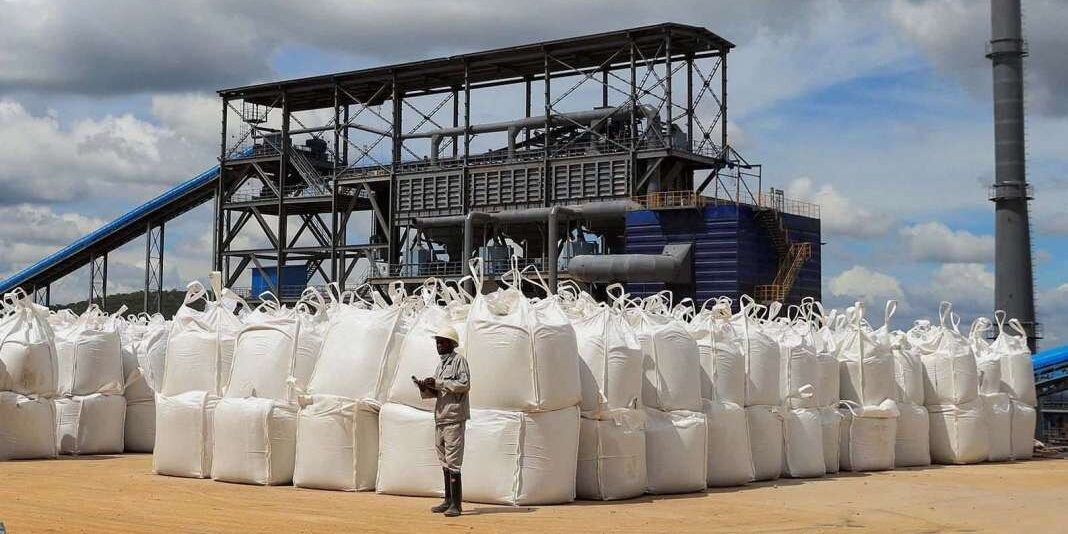
A key example is Sichuan Yahua Industrial Group Co., which has begun construction of a lithium processing facility in Zimbabwe, marking its third major project in the country.
The company, which operates the Kamativi lithium mine in a joint venture with Zimbabwean partners, announced the project via a filing on the Shenzhen Stock Exchange.
The plant will produce lithium sulphate, a key intermediate product for battery manufacturing.
Following the export ban, several large-scale projects have moved forward. In February, reports confirmed that Zimbabwe’s first major lithium processing plant led by Prospect Lithium Zimbabwe (PLZ) and financed by Zhejiang Huayou Cobalt had entered equipment commissioning at the Bikita Mine. The project represents an investment of approximately $500 million.
In April, Zimbabwe achieved another milestone with the export of its first lithium sulphate shipment from the Arcadia mine near Harare, operated by Prospect Lithium Zimbabwe, a subsidiary of Zhejiang Huayou Cobalt.
The shipment marked the country’s first production of lithium salt, and one of the earliest in Africa.
Zimbabwe’s mineral sector has also posted strong financial results. According to the Minerals Marketing Corporation of Zimbabwe (MMCZ), total mineral sales reached 1.29 million tonnes worth approximately $983.85 million in the first quarter of 2026.
This represents a 27% increase in volume and a 79% rise in value compared with the same period the previous year.
Lithium was a major driver of this growth. Sales reached 240,826 tonnes valued at $178.64 million, reflecting a 106% year-on-year increase in value, supported by rising global demand for battery materials.
Government data indicates that Chinese investors are playing a central role in the sector’s expansion.
Huayou’s Prospect Lithium Zimbabwe and Sinomine’s Bikita Minerals have committed approximately $700 million and $500 million respectively toward lithium sulphate processing facilities.
These investments are part of broader obligations by major lithium producers to develop in-country beneficiation infrastructure ahead of Zimbabwe’s planned full ban on unprocessed lithium exports. The government has set 2027 as the target date for full enforcement.
Officials say the strategy is designed to curb value leakage and ensure greater domestic benefit from mineral resources.
While mining companies initially raised concerns over high capital costs, power supply, water availability, and infrastructure constraints, the government has maintained its policy direction through phased implementation and regulatory measures.
Authorities argue that the scale of new investment demonstrates the effectiveness of the policy in reshaping Zimbabwe’s lithium industry toward higher-value production and industrial development.