DRC Plans 20,000-Member Mining Security Force to Protect Mines and Formalize Artisanal Sector
Democratic Republic of Congo to Train 20,000 Armed Guards to Secure Mines and Improve Mineral Traceability
The Democratic Republic of Congo is in discussions with a private company to train more than 20,000-armed guards dedicated to securing mining sites across the country, in a major initiative aimed at improving oversight, reducing illegal extraction, and strengthening the reputation of its mining industry.
According to the head of the General Inspectorate of Mines, the proposed force will be responsible for protecting large-scale industrial mining operations, supporting the formalisation of artisanal mining activities, and improving the traceability of mineral exports. The private training partner has not been publicly identified.
The new security structure is expected to gradually replace the presence of police and military personnel currently deployed at mining and processing sites.
Strengthening control over a strategic sector
The DRC holds some of the world’s largest reserves of copper, cobalt, tin, tantalum, gold, lithium, and zinc.
However, the sector faces persistent challenges, including illegal mining, weak regulation, and informal artisanal operations that often overlap with industrial concessions.
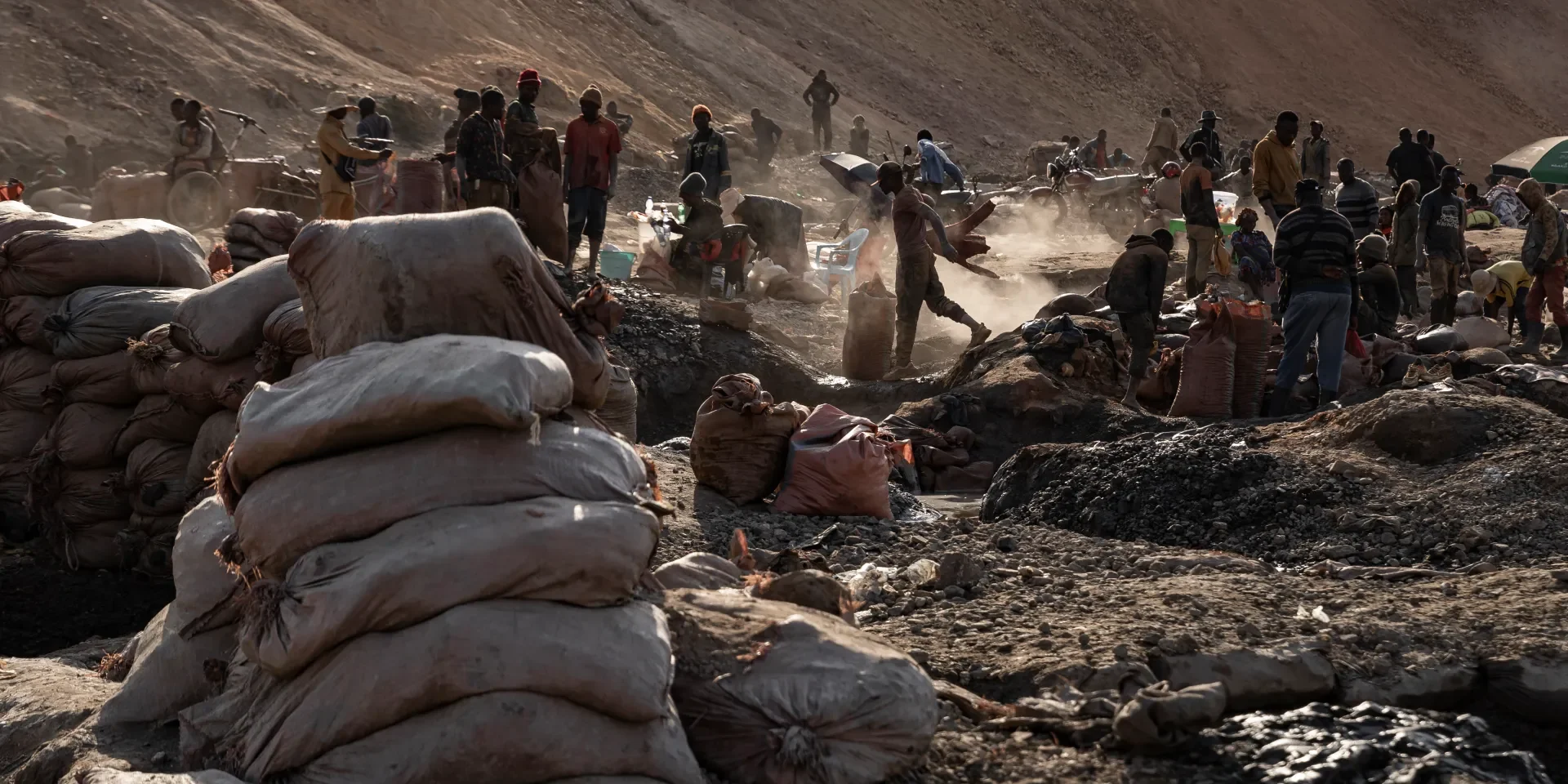
In some regions, artisanal miners operate with informal protection or enter licensed mining areas without authorisation, contributing to disputes and unregulated mineral flows.
Smuggling remains a significant concern, particularly in conflict-affected areas in the east of the country.
Implementation timeline and structure
Officials say a decree authorising the creation of the mining security force is expected to be published soon.
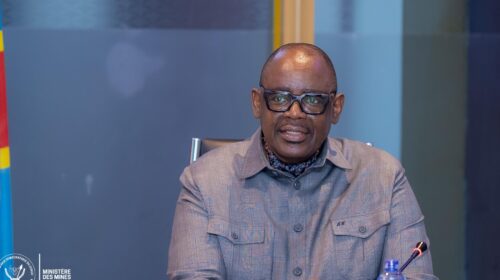
The initiative is being overseen by the General Inspectorate of Mines, which falls under the Ministry of Mines.
Training is scheduled to begin within the coming months, with the first battalion expected to be deployed to the Katanga mining region early next year.
Authorities have indicated that the long-term objective is to establish a fully structured national mining protection unit.
Funding and international cooperation
The project has been associated with an estimated investment programme of around $100 million, supported through international partnerships.
While external cooperation has been discussed, officials have stressed that the initiative is domestically led.
The United States government has stated it is not directly involved in funding or implementing the programme, despite broader strategic cooperation agreements related to critical minerals and infrastructure development in the region.
Officials involved in the project have emphasised that training providers are not linked to any private military figures or external security contractors previously active in the country.
Industry context and enforcement challenges
Major international mining companies operating in the DRC include large-scale copper and cobalt producers in the Katanga region, as well as significant gold mining operations in the northeast.
The General Inspectorate of Mines has recently intervened in disputes involving artisanal miners encroaching on industrial concessions, including cases where security operations were required to restore access to licensed operators.
Authorities say such incidents highlight the need for a dedicated, professionalised mining security force capable of enforcing regulations while reducing conflict between industrial and artisanal mining activities.
Officials maintain that artisanal mining will continue to be recognised within the legal framework, but only under regulated conditions that ensure safety, compliance, and proper resource governance.