
DRC Links FDLR Issue to Illegal Mineral Exploitation as Demobilisation Process Advances
DRC Says FDLR Issue Has Been Used to Justify Mineral Exploitation as Disarmament Process Advances
The Democratic Republic of Congo (DRC) government has accused Rwanda of using the presence of the Democratic Forces for the Liberation of Rwanda (FDLR) as a pretext for continued intervention in eastern DRC and the illicit exploitation of the country’s mineral resources.
Speaking during a special government briefing in Kinshasa on July 28, DRC Minister of Communication and Government Spokesperson Patrick Muyaya argued that the FDLR issue has been repeatedly invoked to justify actions that, according to the government, have enabled the exploitation of Congolese resources.
Muyaya said the DRC had already taken steps to address the FDLR issue, including the repatriation of more than 1,000 members to Rwanda since President Félix Tshisekedi took office.
He questioned whether continued references to the armed group could be used to justify further military intervention in the DRC, arguing that the issue should not become a permanent justification for continued involvement in the country.
The comments come as the DRC implements commitments under the Washington peace agreement signed with Rwanda on December 4, 2025, with US facilitation.
As part of the agreement, the DRC committed to neutralising the FDLR through awareness and, where necessary, military measures.
Regional Integration Minister Floribert Anzuluni Isiloketshi said the process had recently reached an important stage, with the FDLR signing a protocol covering demilitarisation, disarmament, demobilisation and cantonment.
The government said the development represents progress towards addressing one of the longstanding security issues cited in the conflict in eastern DRC.
A monitoring committee will be established to oversee implementation of the disarmament, demobilisation and cantonment process.
According to Anzuluni, the committee will include regional and international partners, as well as technical experts, to strengthen the credibility and reliability of the process.
The FDLR emerged from among Rwandan refugees who fled to the DRC following the 1994 genocide in Rwanda.
The group has remained a longstanding security concern in the Great Lakes region.
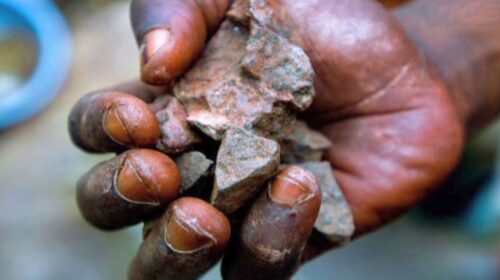
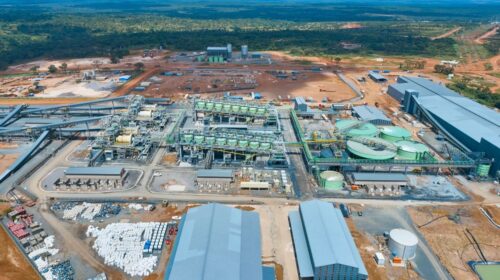
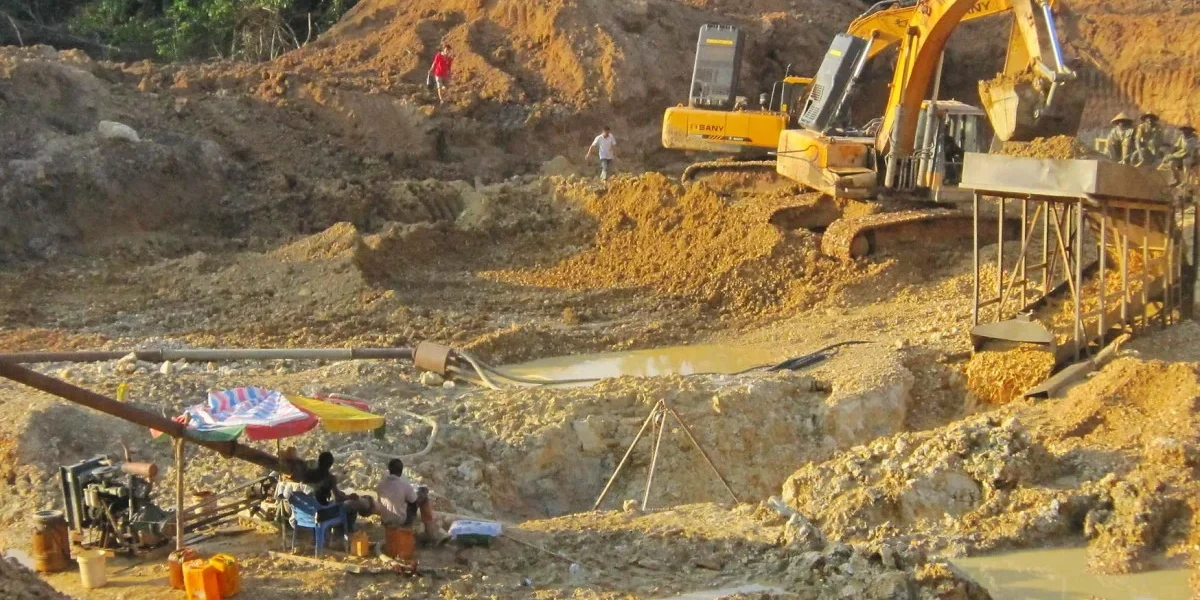
For the DRC government, resolving the FDLR issue is also linked to efforts to address illicit mineral exploitation and broader insecurity in the east, where the country holds significant deposits of minerals including gold, tin, tantalum and other strategic resources.
Kinshasa maintains that addressing security concerns and strengthening oversight of mineral supply chains are essential to preventing conflict-linked exploitation and ensuring that the country’s natural resources benefit its population.
The progress reported on the FDLR demobilisation process could therefore represent an important step in implementing the Washington agreement while addressing one of the issues at the centre of the DRC-Rwanda dispute.
The government is expected to rely on the proposed monitoring mechanism to ensure that commitments are implemented effectively and that the process contributes to greater security and responsible management of the DRC’s mineral resources.