
DRC Moves to Unlock Mineral Wealth as Global Demand for Copper Intensifies
DRC Launches $180 Million Mineral Mapping Drive as US Copper Imports Surge
The Democratic Republic of Congo (DRC) is stepping up efforts to map and control its vast mineral wealth as global demand for copper and other critical minerals intensifies.
The country is investing $180 million in a major geological mapping programme to modernise its understanding of its mineral resources and establish a comprehensive national database of geological information.
The initiative comes as the DRC’s mineral potential remains largely unexplored. While the country is already one of the world’s leading copper producers and the dominant global supplier of cobalt, only around 20% of the DRC has been systematically explored.
Under the programme, more than 700,000 square kilometres will be surveyed using airborne geophysics, digitised historical data and advanced analytical technologies.
The aim is to identify new exploration targets, provide investors with better geological information and give the Congolese state greater control over its mineral intelligence.
The project involves international partners including Spain’s Xcalibur, France’s BRGM, South Africa’s Council for Geoscience and US-based KoBold Metals, alongside geological and mineral-data cooperation with Japan and Belgium.
Geological Data Becomes a Strategic Asset
For Kinshasa, the initiative goes beyond producing geological maps. The government plans to establish a national geological databank, treating geological information as a strategic national asset.
Basic information is expected to be freely accessible, while access to more sensitive datasets will be subject to fees and conditions.
The strategy could reduce exploration risks, identify previously overlooked deposits and strengthen the government’s position when negotiating with mining companies and international investors.
The timing is significant as major economies compete to secure critical-mineral supplies and diversify supply chains, particularly away from China.
US Demand for DRC Copper Surges
The push to unlock future mineral resources comes as demand for the DRC’s existing copper production expands beyond its traditional markets.
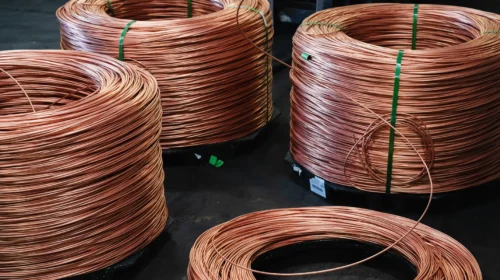
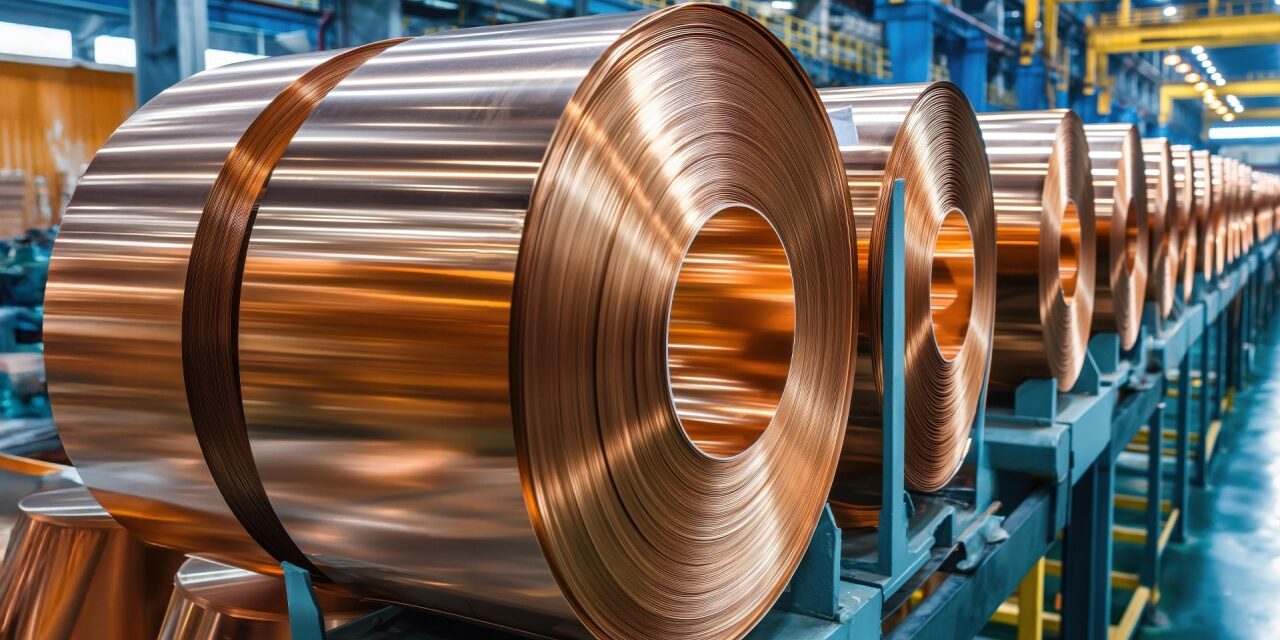
The United States imported a record 53,290 tonnes of copper from the DRC in July 2026, representing 23.9% of total US copper imports for the month. US copper imports overall exceeded 220,000 tonnes for the first time.
The increase marks a significant expansion in the US-DRC copper trade. The US imported less than 32,000 tonnes of copper from the DRC during the whole of 2024.
Congolese copper has become increasingly attractive to US industrial consumers, partly because it can be purchased at significant discounts to COMEX-approved material.
Industry sources have indicated discounts of around $550 to $800 per tonne, while improved quality has also increased acceptance among US copper rod mills and tube manufacturers.
China Still Leads, but the Market Is Shifting
China remains the DRC’s largest copper customer, although its share of Congolese copper imports has begun to decline.
Chinese imports of DRC copper fell by 4.3% during the first seven months of 2026, while China’s share dropped to 39.4% in July its lowest level since October 2025. Despite this decline, the DRC remained China’s largest copper supplier.
Meanwhile, DRC exports to the United States exceeded $2 billion during the first seven months of 2026, already surpassing the country’s total exports to the US for all of 2025.
Copper and copper products account for the overwhelming majority of these exports.
The shift highlights the growing strategic importance of Congolese copper as countries seek more secure and diversified mineral supply chains.
Unlocking the Next Generation of Mineral Projects
For the DRC, the opportunity extends beyond increasing exports from existing mines.
The geological mapping programme could help identify the next generation of copper, cobalt, lithium, gold and other critical-mineral projects.
Exploration remains heavily concentrated in the established copper-cobalt belt of Lualaba and Haut-Katanga, leaving large areas of the country comparatively underexplored.
Better geological data could therefore attract investment into regions that have historically received limited exploration activity.
The convergence of increased geological mapping and rapidly growing international demand underscores the DRC’s strategic position in the global minerals market.
The country is increasingly seeking not only to produce its resources, but also to understand, manage and strategically position them for the future.
With the US, China and other economies competing for critical minerals, the value of the DRC’s mineral wealth is likely to extend well beyond its currently producing mines.
The success of the new geological strategy will depend on how effectively the data is managed, how transparently investors can access it, and whether new discoveries translate into responsible investment, increased production and greater economic value for the Congolese economy.
The DRC is mapping what lies beneath its territory at precisely the moment the world is becoming increasingly eager to secure what it contains.