
DRC’s Heavy Reliance on Mining Revenues Highlights Urgent Need for Economic Diversification
Extractive sector generates 60% of DRC state revenue, underscoring risks of overdependence on mining
The economy of the Democratic Republic of the Congo remains heavily dependent on the extractive sector, reinforcing calls for broader economic diversification to reduce fiscal vulnerability and support long-term development.
In 2023, current and exceptional state revenues totalled more than $9.75 billion, according to a report by the Court of Auditors of the Democratic Republic of the Congo analysing the national accounts for that year.
Of this total, approximately $5.85 billion, or about 60%, was generated by the extractive sector comprising mining and petroleum activities according to the latest report from the Extractive Industries Transparency Initiative (EITI), published in early 2026.
Mining dominates extractive revenues
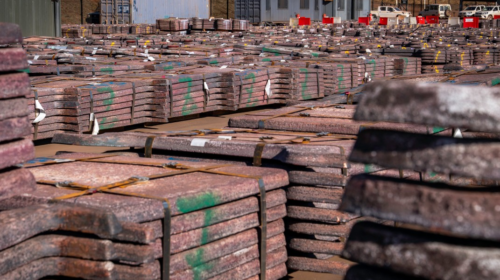
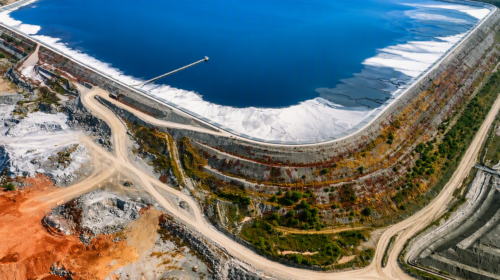
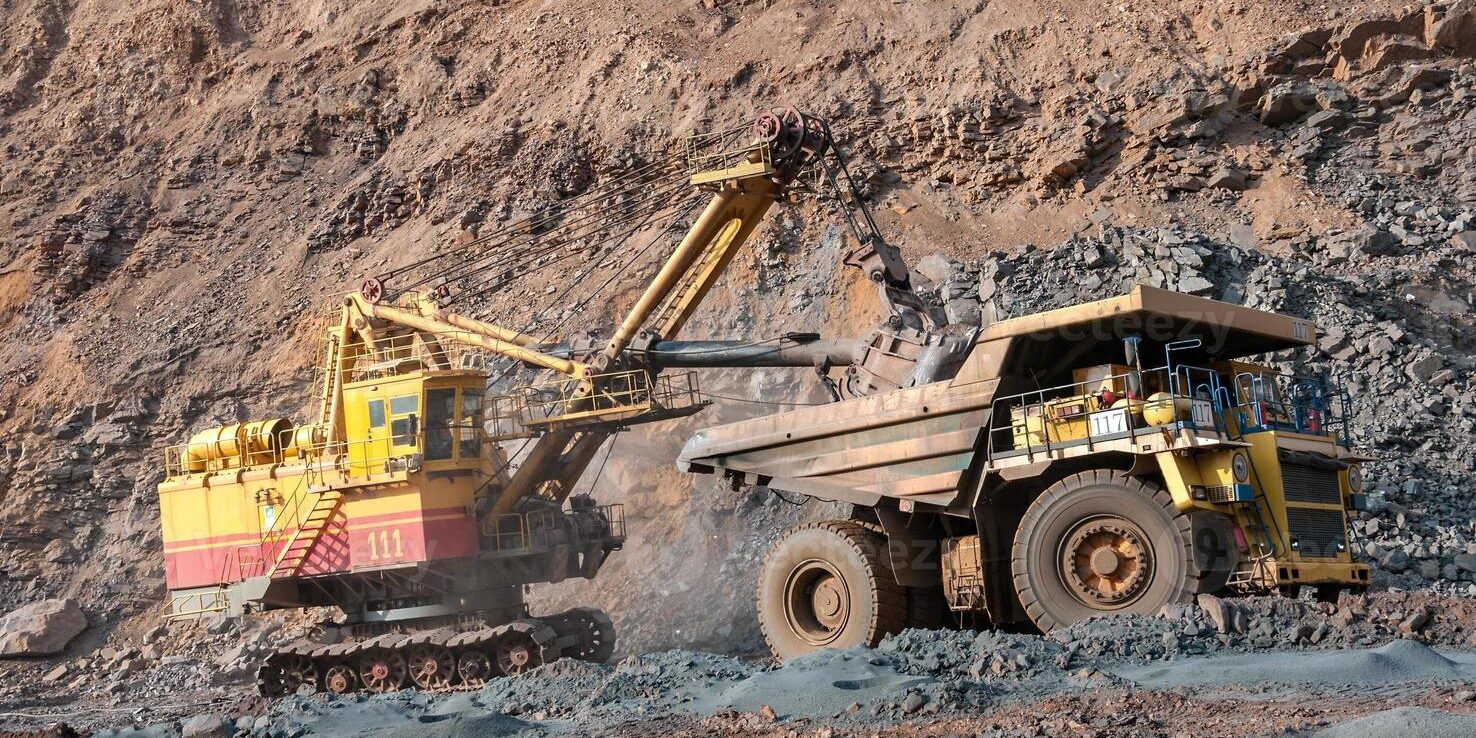
The data shows that the mining industry overwhelmingly drives extractive revenues in the country.
In 2023, mining accounted for 95.99% of extractive-sector income, generating roughly $5.61 billion, while the oil sector contributed just 4.01%, or about $234 million.
This concentration underscores the strategic importance of minerals to the national budget, but also highlights the structural risks associated with reliance on a single economic pillar.
Exposure to commodity price volatility
The country’s dependence on mineral resources leaves public finances highly exposed to external shocks, particularly fluctuations in global commodity prices.
A downturn in international markets for key minerals such as copper and cobalt could quickly translate into reduced government revenues.
Such volatility has direct implications for fiscal planning and public investment.
A sustained decline in extractive revenues could constrain funding for critical infrastructure and social development programmes, including projects in:
- Transport and road networks
- Energy generation and distribution
- Healthcare systems
- Education infrastructure
These sectors are widely regarded as essential to supporting economic diversification and improving living standards across the country.
Diversification remains a strategic priority
Economists and development institutions have consistently identified economic diversification as a central policy objective for the Democratic Republic of the Congo. Expanding sectors such as agriculture, manufacturing and services would help stabilise government revenues, reduce exposure to commodity cycles and strengthen long-term economic resilience.
The latest revenue data reinforces the urgency of that transition, as the extractive sector continues to serve as the dominant engine of public finance.