
Reopened Mines Power Economic Recovery in Zambia’s Copperbelt
Zambia Revives Closed Mines to Boost Copperbelt Economy, Jobs, and Mining Investment
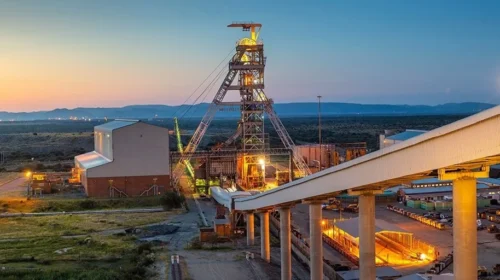
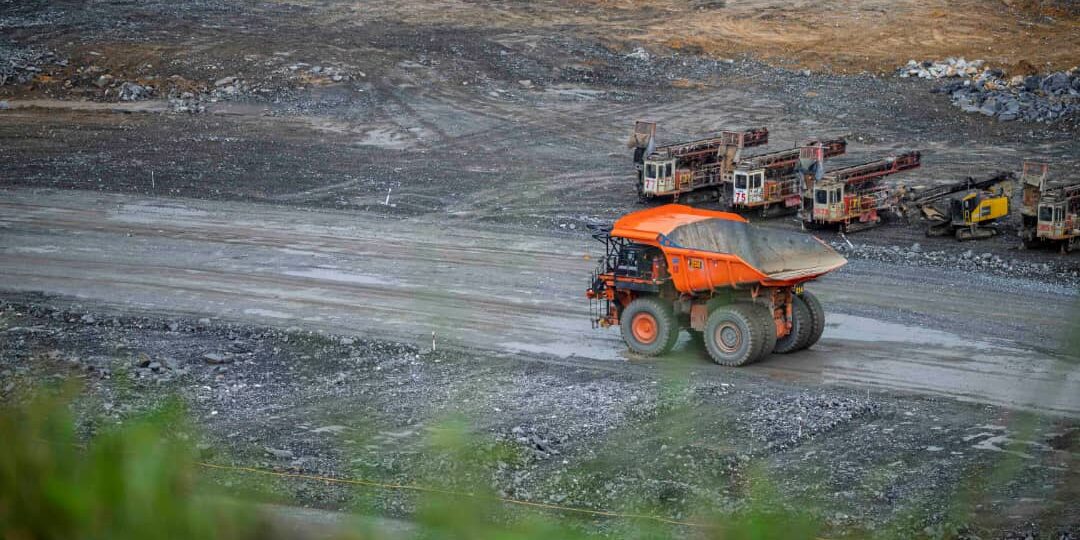
The government of Zambia says the mining sector is playing a central role in the country’s economic recovery, with significant progress made over the past five years to restore the Copperbelt as one of Africa’s leading mining regions.
Authorities attribute the turnaround to the successful reopening of previously closed mines, a move that has revitalized local economies, created employment opportunities, and improved livelihoods across mining communities.
The renewed activity has strengthened the province’s position as a cornerstone of Zambia’s mineral production and export revenues.
Government officials say the administration remains committed to raising living standards by creating an enabling environment for investment in strategic sectors, particularly mining.
Increased investment, they note, is essential to sustaining economic growth and ensuring that more citizens benefit from the country’s natural resource wealth.
These remarks were made during a radio interview in Luanshya, where officials emphasized that sustained investment in the mining sector is critical to long-term economic development and national prosperity.
Mining Revival Boosts Jobs and Local Economies
The reopening of mines across the Copperbelt has had a measurable economic impact, particularly in communities that previously experienced job losses following mine closures. Increased mining activity has stimulated demand for goods and services, supported small businesses, and strengthened local supply chains.
Officials note that the revival of mining operations has also contributed to infrastructure improvements, including upgrades to roads, utilities, and community services, further supporting regional development.
In addition to direct employment, the mining sector is generating indirect jobs in transport, engineering services, construction, and equipment maintenance industries that play a critical role in sustaining economic momentum in mining regions.
Investment Climate Remains a Priority
The government continues to focus on maintaining a stable and predictable investment climate to attract both domestic and foreign investors. Policy reforms and partnerships with private sector stakeholders are aimed at expanding mineral production, improving operational efficiency, and increasing the value derived from Zambia’s natural resources.
Mining remains the country’s most important economic sector, accounting for a significant share of export earnings and government revenue. Authorities believe continued investment will be essential to meeting national targets to increase copper production and diversify the mining industry into other strategic minerals.
Outlook for Zambia’s Mining-Led Growth
Looking ahead, the government expects the mining sector to remain a key driver of economic growth, employment, and industrial development.
By reviving dormant assets and encouraging new investment, Zambia aims to strengthen its position as one of Africa’s leading mining economies while ensuring that the benefits of resource development are shared more broadly among its citizens.
Officials say sustained collaboration between government, investors, and local communities will be critical to maintaining the Copperbelt’s resurgence and supporting long-term economic stability.
Picture credit:Timothy Kambidima