
UN Report Highlights Scale of Illicit Gold Trade in DRC’s Ituri Province
UN Experts Report Major Gold Smuggling Networks in DR Congo’s Ituri as Uganda Exports Surge
A United Nations Group of Experts report on the Democratic Republic of Congo (DRC) has highlighted concerns over suspected illicit gold mining and trade in Ituri province, including alleged cross-border flows of gold through Uganda.
According to the report, significant quantities of gold produced in Ituri may be leaving the country through unofficial channels before entering regional and international markets.
The experts said the scale of reported production at some mining sites differs significantly from officially recorded exports, raising concerns about transparency in the sector.
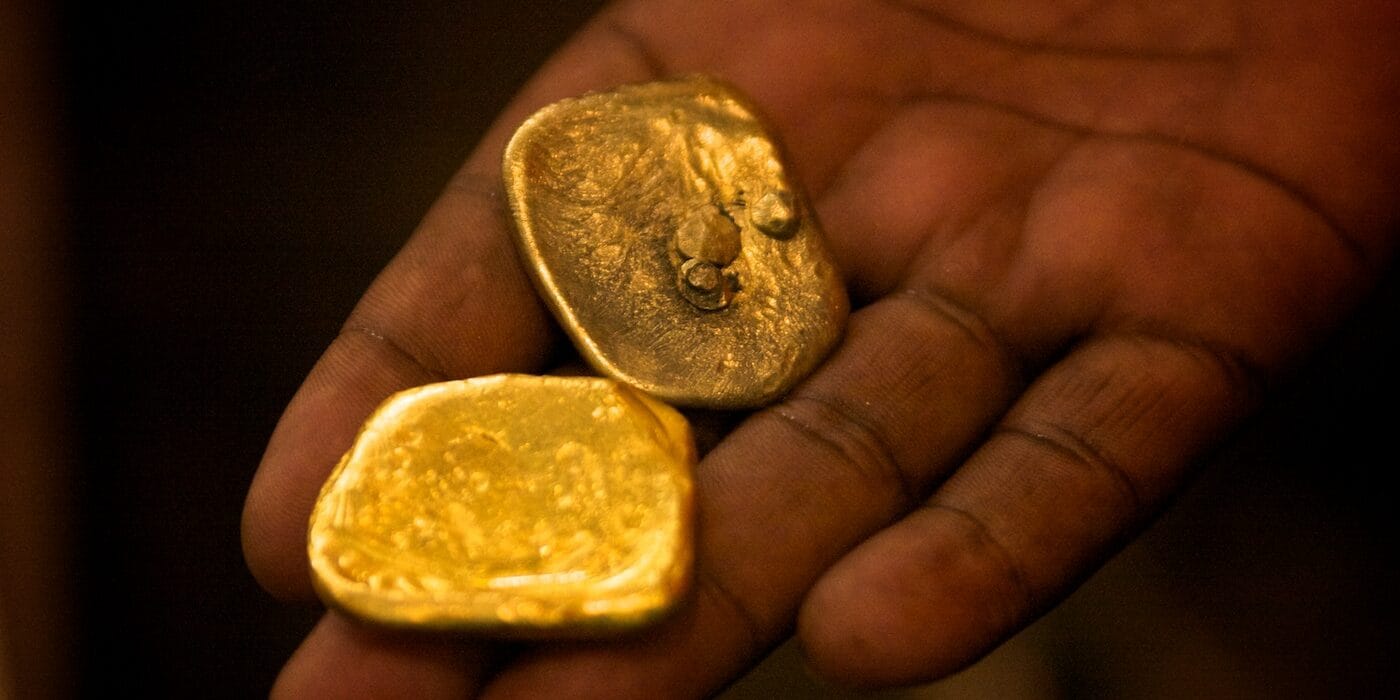
The report estimates that a mining site located between Mabanga and Nizi produced between three and eight tonnes of gold between March 2024 and March 2026, with an estimated value ranging from $300 million to $800 million.
Another site near Yedi reportedly produced more than two tonnes of gold since early 2025.
These estimates contrast with official figures showing that Ituri exported 559 kilograms of gold in 2025.
During the same period, Uganda recorded gold exports of 62 tonnes valued at $6.4 billion, a figure that UN experts said requires further examination in light of suspected regional gold flows.
The report also identified the expansion of cyanide leaching, a method used to extract gold from mining waste, which is prohibited under Congolese regulations.
In Djugu territory alone, experts reported the presence of 388 ponds linked to this activity.
Alleged Trade Routes and Supply Networks
The UN report outlines several routes through which gold from Ituri is believed to move toward Uganda.
Investigators identified pathways through border areas including Aru and Mahagi, as well as the Butembo-Kasindi corridor, before reaching trading centres in Uganda.
The report also points to the role of some gold traders operating from Butembo, who are alleged to finance mining cooperatives and later purchase their production for transport across the border.
Previous UN reports have also documented concerns over illegal gold exploitation in eastern DRC, including the involvement of armed groups and criminal networks.
Earlier assessments estimated that uncontrolled gold mining generated substantial revenues for non-state actors operating in the region.
Challenges in Monitoring Gold Production
The UN experts noted major differences between estimated artisanal gold production and officially recorded figures.
While annual artisanal production in Ituri has been estimated at around 1,800 kilograms, official records showed significantly lower declared production and purchases during the periods reviewed.
Authorities cited in the report attributed part of this gap to limited access to mining areas controlled by armed groups, making monitoring and regulation difficult.
The report further stated that many major mining sites in Ituri remain affected by the presence of armed groups, including CODECO-URDPC, Zaïre/ADCVI, FRPI and MAPI, despite efforts by some mining cooperatives to seek protection from state security institutions.
The findings highlight ongoing challenges in regulating eastern DRC’s gold sector, improving traceability of mineral exports and ensuring that mining revenues contribute to the formal economy rather than supporting armed groups and illegal networks.