
Rubaya Artisanal Mining Highlights Need for Stronger Governance and Formalisation
Rubaya Mining Sector Underscores Importance of Transparency and Responsible Resource Management in Eastern DRC
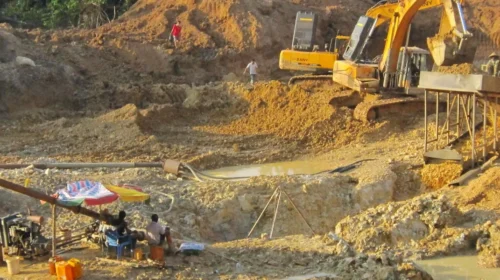
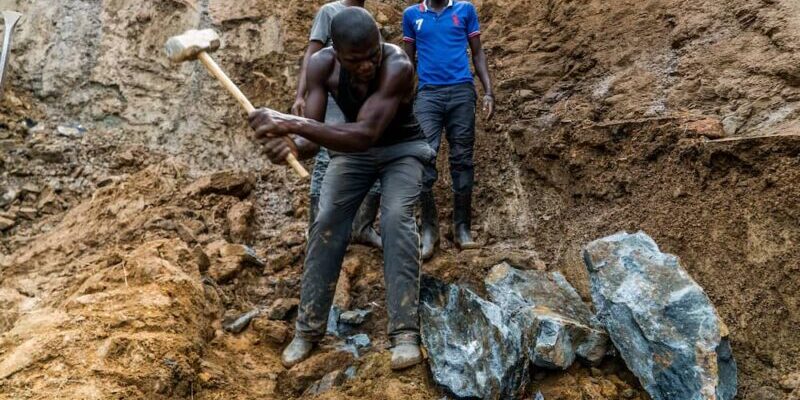
Artisanal mining in Rubaya, located in eastern Democratic Republic of Congo (DRC), has emerged as a significant economic activity, underscoring both the region’s vast mineral potential and the urgent need for stronger governance, transparency, and formalization within the sector.
Since changes in territorial control in parts of North Kivu, local mining activities particularly artisanal extraction have continued to support livelihoods for thousands of households.
Analysts note that improved oversight and the application of national mining regulations remain critical to ensuring that these resources contribute effectively to local development and national economic growth.
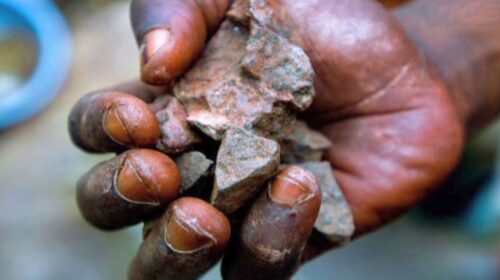
Experts familiar with the region highlight that artisanal mining sites such as Rubaya generate substantial economic value, especially from minerals like coltan.
These resources, when properly managed, have the potential to significantly benefit the Congolese economy through formal trade, taxation, and investment in community infrastructure.
Available data indicate increased mineral trade flows in the Great Lakes region, reflecting strong global demand for strategic minerals used in modern technologies.
Observers stress, however, that such trends reinforce the importance of traceability, certification mechanisms, and cross-border cooperation to ensure minerals are sourced responsibly and in compliance with international standards.
Specialists in extractive-sector governance emphasize that the formalization of artisanal mining—through clearer regulatory frameworks, improved security, and support for small scale miners would help stabilize production, enhance transparency, and reduce the influence of informal networks.
“Rubaya’s mining activity is largely artisanal in nature,” noted one regional analyst. “With proper regulation and international support, this production could be integrated into legal supply chains that benefit both local communities and the State.”
Strengthening institutions, improving monitoring systems, and reinforcing international collaboration are widely seen as essential steps toward transforming artisanal mining into a sustainable driver of development.
Stakeholders agree that long-term stability in eastern DRC depends on ensuring that natural resources are managed responsibly, transparently, and for the benefit of the Congolese people.
By prioritizing good governance and responsible mining practices, the DRC has an opportunity to harness its mineral wealth as a foundation for peace, economic resilience, and regional cooperation.