DRC Pushes to Modernise Artisanal Mining as Financing Challenges Persist
DRC Artisanal Mining Faces Financing Hurdle as Government Pushes Mechanisation
The Democratic Republic of Congo (DRC) is seeking to modernise its artisanal mining sector, but limited access to finance, inadequate mining zones and unreliable power supply continue to hinder efforts to transition operators towards more mechanised and productive small-scale mining.
Artisanal mining remains a major source of income for millions of Congolese and contributes to the supply of strategic minerals.
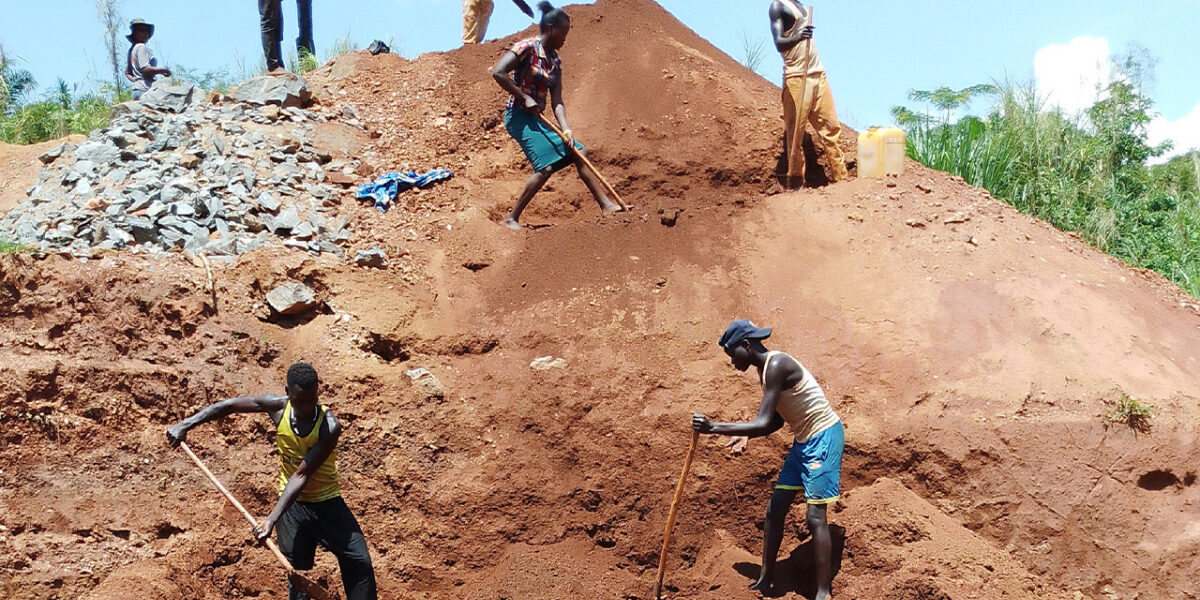
However, much of the sector still relies on manual methods and rudimentary equipment, limiting productivity, worker safety and effective mineral traceability.
The Service for Assistance and Supervision of Artisanal and Small-Scale Mining (SAEMAPE) is calling for faster mechanisation of mining cooperatives and a transition towards more structured small-scale operations.
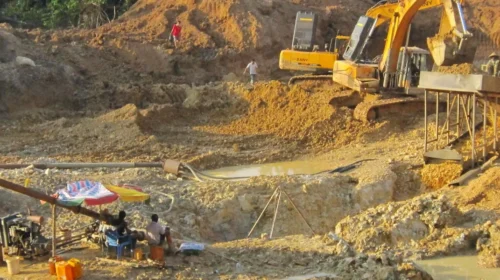
SAEMAPE Director General Jean-Paul Kapongo Kadiobo says mechanisation requires significant investment in equipment such as excavators, bulldozers, pumping systems and mineral-processing units assets that most cooperatives cannot afford.
He has called for greater involvement from the Mining Fund for Future Generations (FOMIN) to establish financing mechanisms specifically designed to support the mechanisation of artisanal mining.
SAEMAPE is also urging the government to implement Article 198 of the Mining Code, which provides for 16% of revenue from surface rights to be allocated to artisanal mining.
The agency argues that effective implementation could strengthen support for cooperatives undertaking site preparation, exploration and other mining activities.
Access to legally designated mining areas is another major challenge. In Kasaï Oriental, SAEMAPE says only four Artisanal Mining Zones (ZEA) are currently available for around 28 mining cooperatives.
The shortage of designated areas makes it harder to formalise operations, enforce environmental standards and provide cooperatives with the legal security needed to attract institutional financing.
Energy is also emerging as a critical constraint. SAEMAPE says stronger electricity infrastructure is needed in Kasaï Oriental to support mechanised mines and local mineral-processing facilities.
Developing local processing capacity could increase value addition within the DRC, create industrial employment and reduce the export of unprocessed minerals.
The push for modernisation comes as Kasaï Oriental seeks to expand its mining economy. In June 2026, China Railway Resources Universal (CRRU) and MIBA began geological exploration in Miabi for a potential copper-cobalt development.
For the DRC, transforming artisanal mining will require more than equipment. Sustainable progress will depend on access to finance, additional ZEA sites, reliable power, appropriate technology and stronger governance.
If these challenges are addressed, mechanisation could improve productivity and safety, strengthen mineral traceability, increase government revenues and help integrate artisanal miners more effectively into the formal mining economy.