
DRC’s Kasaï-Oriental Moves to Formalise Artisanal Copper Mining
Kasaï-Oriental Moves to Formalise Artisanal Copper Mining and Boost Local Processing in DRC
The government of the Democratic Republic of Congo’s (DRC) Kasaï-Oriental Province is moving to formalise artisanal copper mining and create conditions for local processing of the mineral in Mbuji-Mayi.
A delegation comprising representatives of the Ministry of Mines, the Service for Assistance and Supervision of Artisanal and Small-Scale Mining (SAEMAPE), the Centre for Evaluation, Expertise and Certification (CEEC), the Entreprise Générale du Cobalt (EGC), the Mining Cadastre and the General Inspectorate of Mines (IGEM) visited mining sites in Katende and Bena Muya, located within the perimeter of the state-owned mining company MIBA.
The mission followed a request from Kasaï-Oriental Governor Jean-Paul Mbwebwa Kapo, who has called for greater organisation of the province’s emerging copper sector.
The delegation, which arrived in Mbuji-Mayi on September 21, met artisanal miners, recorded the coordinates of mining sites and held discussions with local MIBA officials.
One of the main objectives is to identify and organise artisanal miners into cooperatives, allowing them to operate within a more structured and regulated framework.
Authorities are also considering formally establishing Artisanal Mining Zones (ZEA) in the areas concerned.
According to Chico Kebonte, an adviser to the national Minister of Mines who led the delegation, the process would begin with sensitising artisanal miners and encouraging them to form cooperatives so they can receive greater support from the state.
The delegation is expected to continue the process in Kinshasa, where steps will be taken to enable the Minister of Mines to sign an order formally establishing the proposed artisanal mining zones.
Improving mineral marketing
The government is also seeking to strengthen the marketing and traceability of minerals produced by artisanal miners.
The CEEC is expected to establish a mineral trading centre in Mbuji-Mayi. The facility would help improve mineral evaluation and certification while supporting a more structured marketing chain and the channelling of mining revenues to the province.
The initiative comes as authorities seek to prevent the disorder and limited local economic benefits that have historically affected the province’s mining sector.
Kasaï-Oriental was previously a major centre for industrial diamond production associated with MIBA.
Provincial authorities want the emerging copper industry to generate greater economic benefits for local communities and the province.
Push for local copper processing
Governor Mbwebwa Kapo has also called for copper extracted in Kasaï-Oriental to be processed locally in Mbuji-Mayi instead of being transported to other provinces.
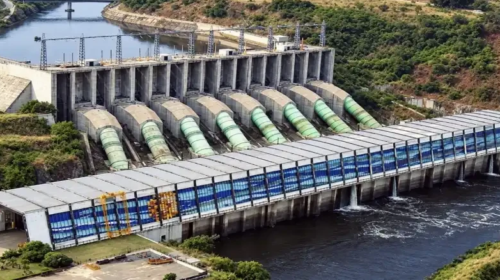
He said access to reliable electricity would be critical to establishing local processing facilities. The provincial government is therefore working on addressing the electricity constraints that could hinder the development of a local copper-processing industry.
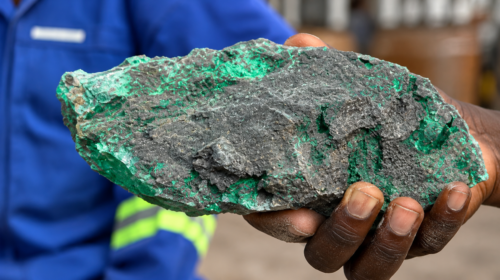
Initial observations from the artisanal operations have indicated promising copper grades, while authorities have also pointed to encouraging results from early drilling by MICKA, a company exploring for copper and cobalt in Kasaï-Oriental.
The provincial government is therefore seeking to establish a regulatory and operational framework for the copper sector before production expands, with the broader objective of improving formalisation, local value addition and economic returns from the province’s mineral resources.