
Botswana and Madagascar Deepen Ties as Mining Emerges as Strategic Growth Opportunity
Botswana and Madagascar Look to Expand Mining Cooperation and Bilateral Trade
Botswana and Madagascar are seeking to strengthen economic ties, with mining emerging as a key sector that could drive greater trade, investment and long-term cooperation between the two nations.
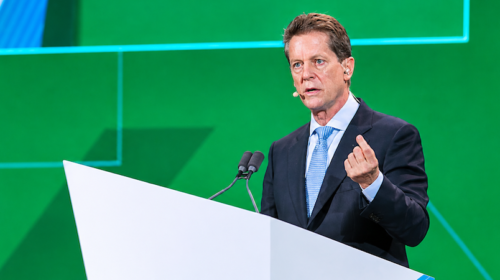
Speaking during renewed bilateral engagements, Botswana President Duma Boko reaffirmed his country’s commitment to deepening relations with Madagascar.
He identified mining, tourism, agriculture, trade, energy and infrastructure as priority sectors for enhanced collaboration and investment.
In a move aimed at improving business and people-to-people connectivity, President Boko also announced the removal of visa requirements for Malagasy citizens travelling to Botswana.
The policy is expected to facilitate commercial exchanges, encourage tourism and create new opportunities for cross-border investment.
Mining presents a particularly promising area for partnership given the complementary strengths of both economies.
While Botswana is globally renowned for its diamond industry and mining governance framework, Madagascar possesses a diverse portfolio of mineral resources that have attracted growing international interest.
According to the Extractive Industries Transparency Initiative (EITI), Madagascar’s extractive sector contributed 4.6% to the country’s gross domestic product and accounted for 49.2% of total exports in 2022, highlighting the industry’s critical role in the national economy.
Madagascar is a significant producer of nickel, cobalt, ilmenite, graphite, zircon and chromium.
The country hosts major mining operations, including the Ambatovy nickel and cobalt project, one of the largest developments of its kind globally, and Rio Tinto’s QIT Madagascar Minerals operation, a major producer of ilmenite.
The island nation’s substantial graphite reserves have further enhanced its strategic importance in global mineral supply chains, particularly as demand grows for minerals used in battery technologies, renewable energy systems and other industrial applications linked to the energy transition.
Beyond large-scale mining, artisanal and small-scale mining remains an essential source of income for many rural communities.
Gold and gemstone mining, in particular, support livelihoods across several regions of the country. EITI estimates have previously suggested that around one million people were involved in artisanal and small-scale mining activities, although more recent sector-wide employment and production data remains limited.
The strengthening relationship between Botswana and Madagascar could unlock new opportunities for mining investment, geological exploration, mineral processing, skills development and knowledge sharing.
Greater cooperation may also support efforts to expand value addition and beneficiation across mineral supply chains in both countries.
For Botswana, whose economy has long been anchored by diamonds, deeper engagement with another mineral-rich African nation offers opportunities to exchange expertise in mining governance, investment promotion, sustainable resource management and downstream mineral development.
As bilateral relations continue to evolve, both countries now have an opportunity to translate diplomatic goodwill into tangible commercial partnerships, creating new avenues for growth across the mining sector and the broader natural resources economy.