Mining Pollution Trial Opens in Kolwezi as Environmental Accountability Comes Under the Spotlight
DRC Mining Pollution Case Opens in Kolwezi, Placing Environmental Responsibility in the Mining Sector Under Scrutiny
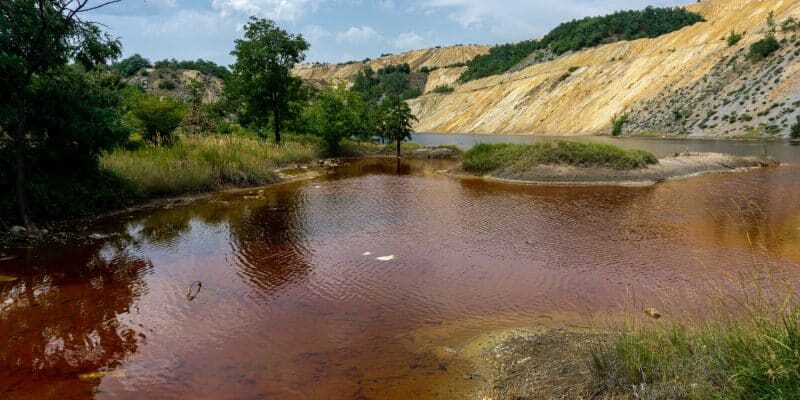
A landmark environmental case has opened in Kolwezi, placing mining-related pollution and corporate environmental responsibility at the centre of public debate in the Democratic Republic of Congo’s copper and cobalt heartland.
The proceedings are expected to examine allegations linked to environmental contamination associated with mining activities, drawing significant attention from local communities, civil society organisations and industry stakeholders.
The case highlights growing scrutiny of environmental management practices in one of the world’s most strategically important mining regions.
Kolwezi, located in Lualaba Province, is a major hub for copper and cobalt production and plays a critical role in global supply chains supporting electric vehicles, battery manufacturing and renewable energy technologies.
However, rapid mining expansion has also intensified concerns over environmental protection, water quality, community health and the long-term sustainability of mining operations.
The opening of the trial marks a significant development in ongoing efforts by Congolese authorities and affected communities to address environmental grievances linked to resource extraction.
Observers view the case as an important test of environmental governance and the enforcement of mining regulations in the country.
At the centre of the proceedings are questions surrounding environmental compliance, pollution management and the responsibilities of mining companies operating in heavily industrialised areas.
The outcome could have wider implications for environmental oversight in the Congolese mining sector, particularly as international investors and downstream buyers place increasing emphasis on environmental, social and governance standards.
Communities living near mining operations have long raised concerns regarding the impact of industrial activities on local ecosystems and livelihoods.
Environmental advocates argue that stronger monitoring, transparency and enforcement mechanisms are necessary to ensure that economic benefits from mining are balanced with environmental protection and community welfare.
The case also comes at a time when the DRC is seeking to strengthen its position as a leading supplier of critical minerals while improving governance across the extractive sector.
Authorities have introduced reforms aimed at increasing transparency, promoting responsible mining practices and enhancing oversight of environmental obligations.
Industry analysts note that environmental performance is becoming increasingly important for mining companies seeking access to international markets and investment capital.
As global consumers demand more responsibly sourced minerals, environmental compliance is emerging as a key factor in maintaining the competitiveness of mining jurisdictions.
While the trial focuses on specific allegations, its broader significance extends beyond individual parties.
The proceedings could help shape future approaches to environmental accountability in the mining sector and influence how companies manage environmental risks in one of Africa’s most important mineral-producing regions.
The outcome will be closely watched by investors, regulators, mining companies and local communities alike, as it may establish important precedents regarding environmental responsibility and regulatory enforcement in the Democratic Republic of Congo.