Lubumbashi Communities Await Redress as CDM Pollution Anniversary Approaches
One Year After CDM Pollution Incident, Victims Still Await Compensation and Environmental Justice
Nearly a year after one of Lubumbashi’s most serious industrial pollution incidents, affected communities are still waiting for full compensation and the implementation of promised remedial measures.
Civil society organizations say that despite official commitments and financial penalties imposed on mining company Congo Dongfang International Mining (CDM), many obligations toward impacted residents remain unmet.
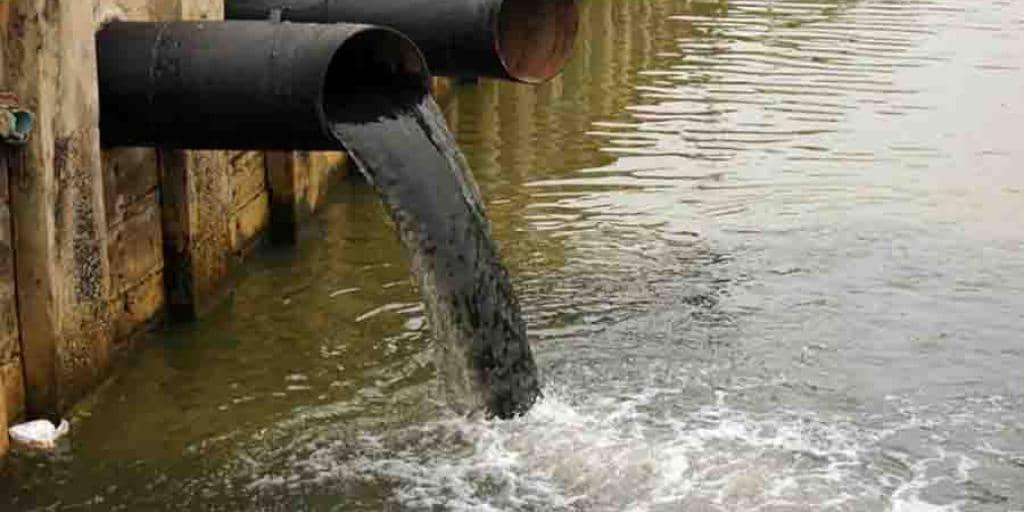
The pollution incident, which occurred on November 4, 2025, resulted in the release of millions of cubic meters of industrial wastewater containing heavy metals into several densely populated neighborhoods, including Kasapa, Kamatete, and Kamisepe.
Authorities had immediately warned residents to avoid contact with potentially contaminated water, while concerns mounted over the potential long-term health and environmental consequences.
As the first anniversary of the disaster approaches, a coalition of organizations comprising the Institute for Research in Human Rights (IRDH), Meda Mapendo, Horizon Kasapa, and Action for Justice and Human Rights (AJD) has renewed calls for transparency and accountability.
The groups argue that communities continue to lack access to the official findings of the government commission established to assess environmental, human, and material damages caused by the incident.
According to these organizations, the publication of the commission’s report is critical for understanding the full extent of the contamination and its possible long-term effects on public health.
They maintain that the report would also help justify the compensation amounts allocated for affected communities and provide greater clarity regarding remediation efforts.
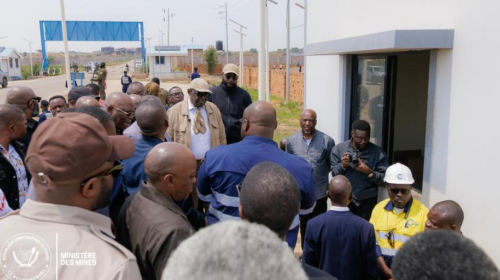
Following the pollution event, the DRC’s Minister of Mines ordered the temporary suspension of CDM’s mining operations.
Subsequent government sanctions reportedly required the company to pay US$6 million in collective compensation and more than US$682,000 in individual indemnities to affected residents.
However, community advocates argue that financial compensation alone is insufficient. They emphasize that several corrective measures reportedly linked to the resumption of CDM’s operations have yet to be fully implemented.
Among the outstanding commitments are long-term medical monitoring for exposed residents, free healthcare for affected populations, epidemiological surveillance programs, and the development of additional potable water infrastructure in impacted neighborhoods.
The controversy has also reignited broader debates over environmental governance and corporate accountability within the DRC’s mining sector.
Civil society groups contend that affected communities deserve both transparent information and meaningful remediation before mining activities can resume under normal conditions.
With many residents still seeking answers about potential health impacts and awaiting the fulfillment of promised restoration measures, the CDM pollution case remains a significant test of environmental justice and regulatory enforcement in one of Africa’s most important mining regions.