Shuka Minerals Intersects High-Grade Zinc Mineralisation at Kabwe Mine in Zambia
Shuka Minerals Reports Up to 29.58% Zinc in New Kabwe Drill Results as Expansion Drilling Continues
Aim-listed Shuka Minerals has announced the successful completion of its third diamond drill hole, KBDD03, at the Number 2 orebody of its Kabwe zinc mine in Zambia, delivering further high-grade zinc intercepts as part of its ongoing exploration programme.
The third drill hole was designed to test the orebody approximately 30 metres east of the KBDD01 intersection at a depth of about 250 metres. It was drilled at an inclination of 65° on a bearing of 125°.
The company has since commenced a fourth drill hole targeting the western extension of the orebody, as it seeks to define both lateral and depth continuity of mineralisation.
Accurate 3D Geological Modelling Underway
Shuka Minerals reported that downhole gyroscope survey data confirmed KBDD03 reached a depth of 240 metres, with a final azimuth of 123.66° and a dip of 65.49°.
The company noted that these measurements are essential for building a precise 3D geological model, enabling more accurate interpretation of the orebody geometry and mineralised zones.
High-Grade Zinc Intercept Confirmed
According to Shuka, drill hole KBDD03 intersected 19 metres grading 29.58% zinc, from 221.1 metres to 240.1 metres downhole.
The result is based on an arithmetic average of 62 portable X-ray fluorescence (XRF) readings, taken at three readings per metre of whole core.
Individual readings across the interval ranged from 1% to 53% zinc, with the highest-grade portion covering the upper 9 metres of the intercept averaging 40.09% zinc.
Mineralisation Characteristics
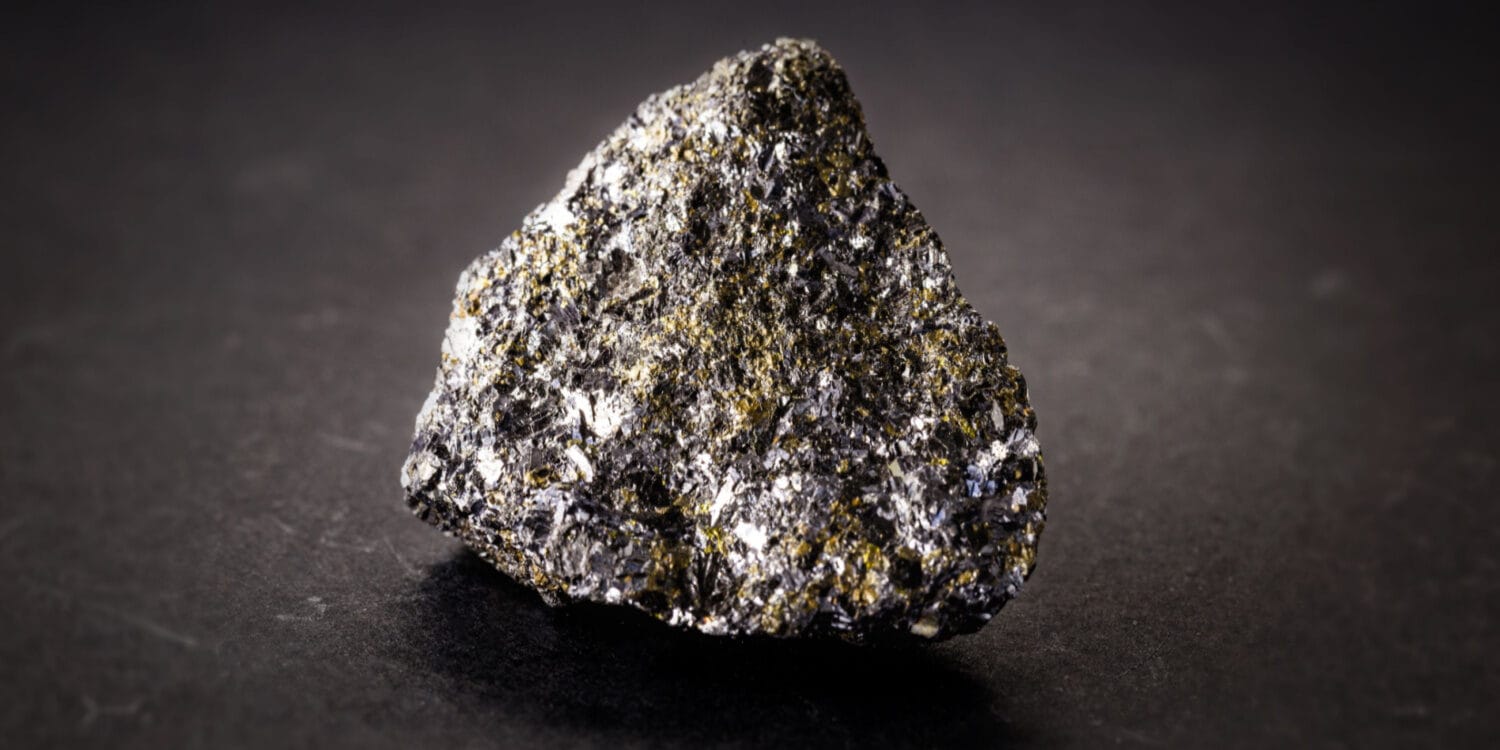
The company described the mineralisation as being hosted within weakly brecciated to semi-massive haematitic ironstone, containing predominantly zinc silicate minerals (likely willemite) alongside subordinate zinc carbonates.
The footwall consists of moderately fractured dolomite with hematite stringers and mineralised fractures, which are interpreted as key controls on zinc distribution within the orebody.
Resource Context and Growth Potential
Shuka Minerals referenced a 2023 NI 43-101 technical report by Behre Dolbear, which estimates that the Number 2 orebody still contains approximately 3.1 million tonnes of material grading 11.4% zinc, along with associated lead, silver, and vanadium oxide.
The company stated that the latest drill results support its 2026 exploration strategy, which aims to increase the existing resource base by up to 50%, subject to ongoing drilling outcomes.
On-Site Operations and Next Steps
The current 2,000-metre drilling programme is being overseen by Shuka Minerals CEO Richard Lloyd, alongside the GeoQuest geological team.
Drilling operations are being carried out by Ox Drilling, a contractor with more than two decades of experience operating in Zambia.
Shuka confirmed that all XRF-based assay results will be verified through certified laboratory analysis in accordance with JORC or NI 43-101 standards.
Management Commentary
CEO Richard Lloyd said the drilling campaign continues to deliver strong zinc grades and is improving geological understanding of the orebody with each new intersection.
He noted that results to date indicate higher grades and wider mineralised zones than those outlined in the previous resource model, with upcoming drilling focused on confirming lateral and depth extensions of the deposit.
The company will provide further updates as the drilling programme progresses.