Zambia HIV Aid Talks With US Intersect With Copper Mining Interests
US Ties $1.5 Billion HIV/AIDS Aid Package to Zambia Mining Talks Amid Critical Minerals Race
The administration of Donald Trump has linked discussions over HIV/AIDS funding for Zambia with broader negotiations involving the country’s mining sector, highlighting how the global race for critical minerals is increasingly intersecting with foreign aid, according to a report by The New York Times.
At the center of the discussions is a proposed $1.5 billion US health aid package intended to support Zambia’s fight against HIV and other infectious diseases.
According to the report, United States officials have delayed finalizing the funding while talks continue over broader economic cooperation that includes potential collaboration in the mining sector.
Zambia’s HIV Response and US Support
Zambia is among the countries most affected by HIV/AIDS in Southern Africa. US-backed programs particularly those under the President’s Emergency Plan for AIDS Relief (PEPFAR) have long played a central role in the country’s treatment and prevention efforts.
Launched in 2003, PEPFAR has financed HIV treatment and prevention programs worldwide and is widely credited with saving millions of lives.
Minerals and Geopolitical Competition
The report comes as Washington seeks to strengthen supply chains for strategic minerals, while competing with China for influence in resource-rich regions.
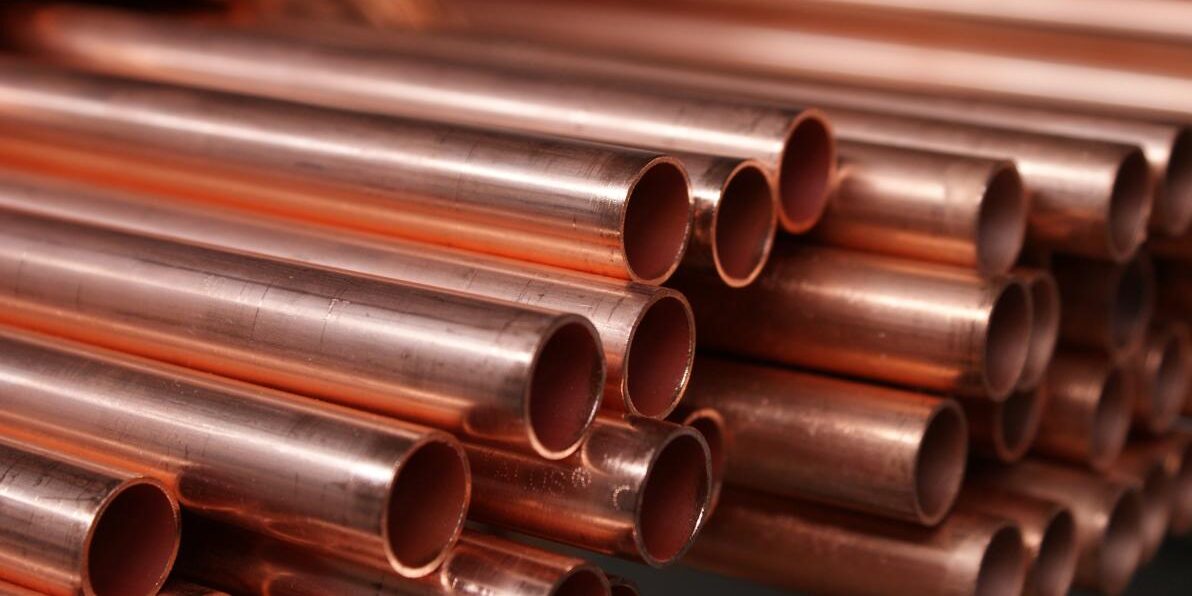
Zambia is a major producer of copper and part of the Central African Copperbelt, one of the world’s most important sources of copper and cobalt metals essential for electric vehicles, power infrastructure, and battery technologies.
US officials have framed broader economic partnerships with African nations as a way to secure mineral supply chains while supporting economic development.
However, critics argue that linking humanitarian assistance to resource access risks blurring the line between development aid and geopolitical competition.
Gregory Meeks, the ranking member of the US House Foreign Affairs Committee, warned that tying health funding to mineral access could undermine decades of global health diplomacy.
“Lifesaving aid should not be conditioned on opaque business deals benefiting the president’s allies,” Meeks told the New York Times.
Debate Over ‘Transactional’ Foreign Aid
Analysts say the situation reflects a broader shift toward more transactional foreign aid arrangements, particularly as competition intensifies between the United States and China for influence and access to strategic resources in Africa.
Some observers argue that linking health funding to economic cooperation including mining investments, marks a departure from traditional global health programs, which historically operated independently of commercial interests.
Others contend that the approach reflects the growing geopolitical importance of critical minerals, as countries race to secure supplies needed for the energy transition and advanced manufacturing industries.