

Zambia Introduces Carbon Feed-In Premium Programme to Accelerate Solar Energy and Climate Investment
Zambia Launches $420 Million Carbon Feed-In Premium Programme to Boost Renewable Energy Investment
The Government of Zambia, through the Ministry of Green Economy and Environment, has launched a Carbon Feed-In Premium Programme (CFIP) aimed at accelerating investment in renewable energy and strengthening national electricity supply.
Announced on April 1, 2026, the programme is expected to mobilise around USD 420 million in investment for grid-connected clean energy projects, with a strong focus on solar power integrated with battery energy storage systems.
The CFIP is structured as a results-based carbon finance mechanism that provides additional financial incentives for verified greenhouse gas emission reductions.
It will function as a tariff top-up to improve the financial viability of renewable energy projects that are not sufficiently supported by existing power purchase agreements.
Focus on 300MW solar expansion
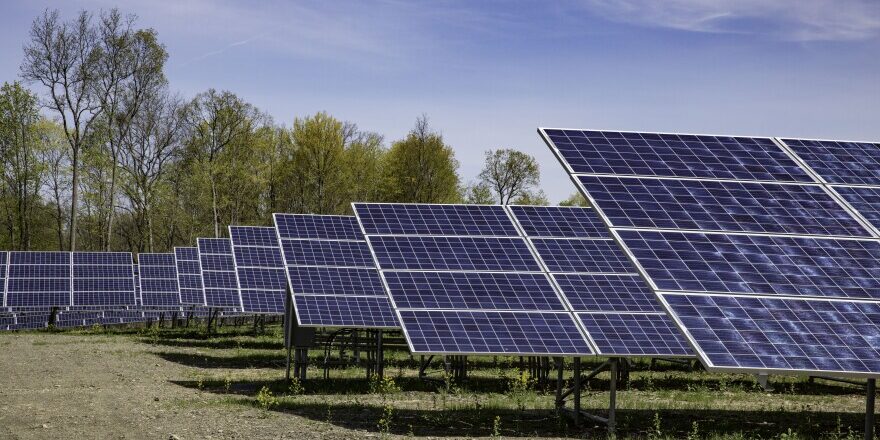
The initial phase of the programme targets the development of 300 megawatts of solar photovoltaic capacity, aligned with Zambia’s national energy transition priorities.
The initiative is also expected to improve grid reliability by enabling solar power supply during peak and evening demand periods through storage technologies.
Officials say the programme is designed to address long-standing challenges in the energy sector, including limited bankability of off-taker arrangements and investor concerns about returns in the independent power producer market.
Carbon finance and international partnership
To support implementation, Zambia has concluded a Mitigation Outcome Purchase Agreement (MOPA) with the Kingdom of Norway.
The agreement is expected to generate between USD 80 million and USD 200 million in carbon finance through the trading of internationally transferred mitigation outcomes under Article 6 of the Paris Agreement.
Broader energy transition strategy
The Ministry of Green Economy and Environment said the CFIP is not limited to individual projects but forms part of a broader policy-driven transformation of the energy sector.
The programme prioritises climate action, private sector participation, and sustainable development outcomes.
Participation in the scheme is voluntary and open to independent power producers as well as ZESCO-linked projects that meet technical, financial, and geographic requirements.
The Call for Proposals remains open until May 31, 2026, with the Ministry inviting qualified developers to submit applications through its official channels.