
DRC Suspends Angoa Mining Operations After Fatal Landslide Claims Artisanal Miner’s Life
Fatal Landslide at Walikale Artisanal Mine Sparks Suspension of Operations and Renewed Calls for Stronger Safety Standards
Authorities in the Democratic Republic of Congo have temporarily suspended mining operations at the Angoa artisanal mining site in the Utunda group of Walikale Territory, North Kivu, following a fatal landslide that claimed the life of an artisanal miner.
The accident occurred on July 19 while the miner was working at the bottom of a mining shaft.
A large section of earth suddenly collapsed, burying him beneath the debris. Fellow miners immediately launched a rescue effort but were only able to recover his body.
“The miner was working in the shaft when the ground gave way. His colleagues managed to retrieve his lifeless body the same day,” said Shemwiso Bitashimwa, Administrative Secretary of the Utunda group.
Following the tragedy, local authorities ordered the temporary suspension of all mining activities at the Angoa site to allow investigations into the circumstances surrounding the accident and to assess safety conditions before operations can resume.
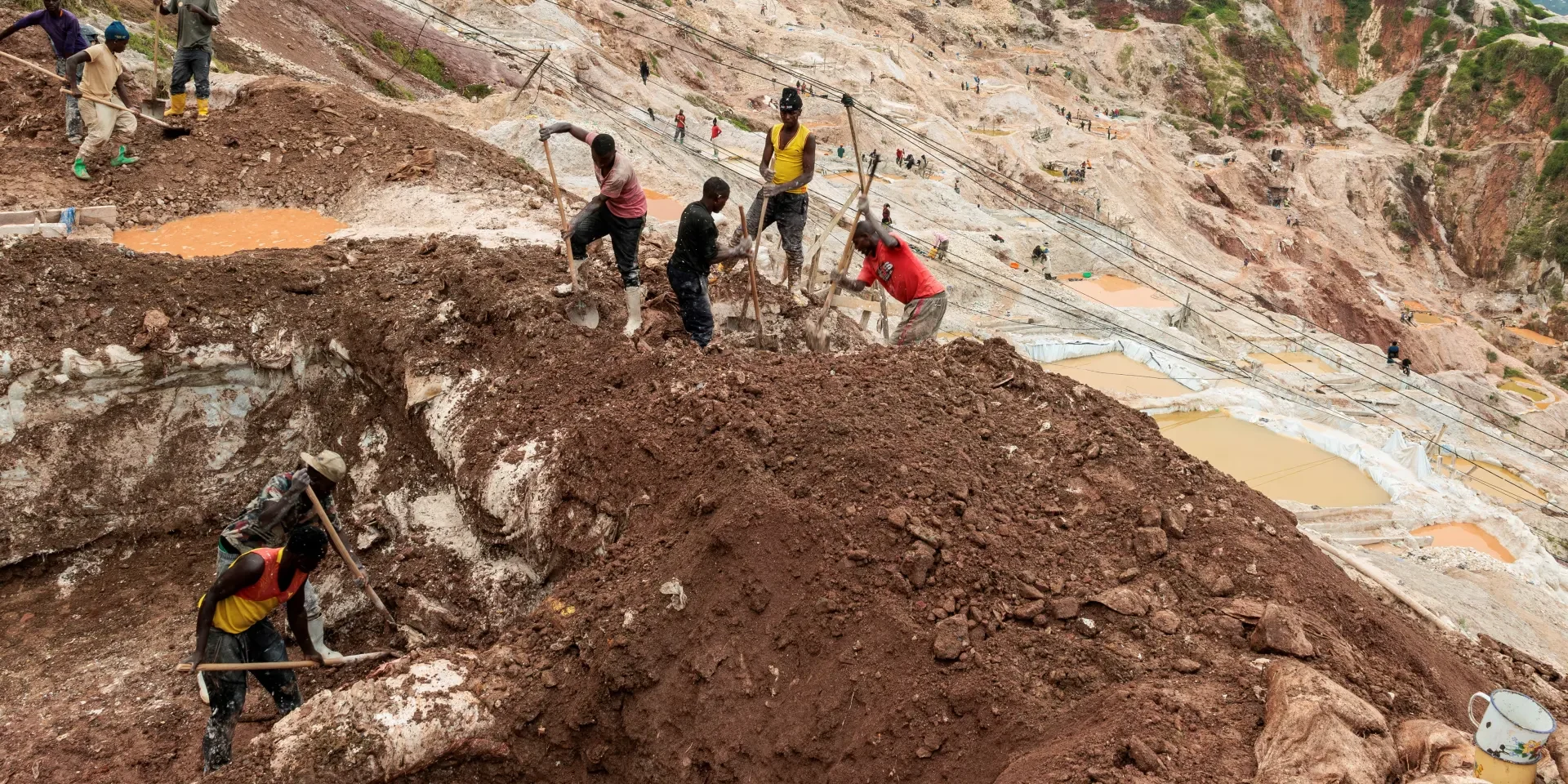
The incident has once again highlighted the dangerous conditions under which many artisanal miners work in eastern DRC.
Across Walikale Territory, miners often operate in manually excavated shafts with little or no geotechnical assessment, inadequate structural support, and limited access to personal protective equipment, leaving them highly vulnerable to landslides and other fatal accidents.
The latest tragedy is not an isolated case. It follows another fatal mine collapse in the Utunda area just weeks earlier, underscoring the recurring safety challenges facing one of the country’s most active artisanal mining regions.
Despite the risks, artisanal mining remains the primary source of income for thousands of families in Walikale, where limited employment opportunities leave many workers with few alternatives.
However, industry stakeholders argue that the growing number of fatal accidents demonstrates the urgent need for stronger regulation, improved technical oversight, and better safety practices.
Mining experts and local leaders continue to call for greater support for artisanal mining cooperatives, increased involvement of government technical services, and comprehensive training programmes to improve mine safety.
They also stress that formalising the artisanal mining sector must go beyond licensing and include effective safety standards, regular inspections, and awareness programmes aimed at preventing accidents.
As investigations into the Angoa landslide continue, the incident serves as another stark reminder of the human cost of artisanal mining and the need to strengthen safety measures to protect the lives of miners across the Democratic Republic of Congo.