
DRC Investigates Uranium Traces in Cobalt Exports as Concerns Grow Over Mineral Supply Chain Controls
DRC Launches Investigations into Uranium Traces in Cobalt Exports to China
A new investigation has renewed concerns over the possible presence of uranium in cobalt exported from the Democratic Republic of Congo to international markets, particularly from the Tenke Fungurume Mining (TFM) operation, majority-owned by Chinese group CMOC.
Lighthouse Reports, which conducted the investigation with the Financial Times, has defended its findings after CMOC disputed several of the report’s conclusions.
Investigator Tomas Statius said the investigation was based on nearly a decade of internal mining documents, alongside scientific research into the natural association of uranium, copper and cobalt in the Congolese Copperbelt.
According to Lighthouse Reports, documents from TFM and its previous owners indicate that uranium had been detected in cobalt products on multiple occasions and that metallurgists had explored ways to reduce or remove it during processing.
The investigation cited historical data suggesting that uranium levels in cobalt hydroxide produced at TFM exceeded the 75-parts-per-million regulatory threshold on numerous occasions between 2016 and 2020.
CMOC has rejected the findings and maintained that its cobalt hydroxide complies with applicable regulations.
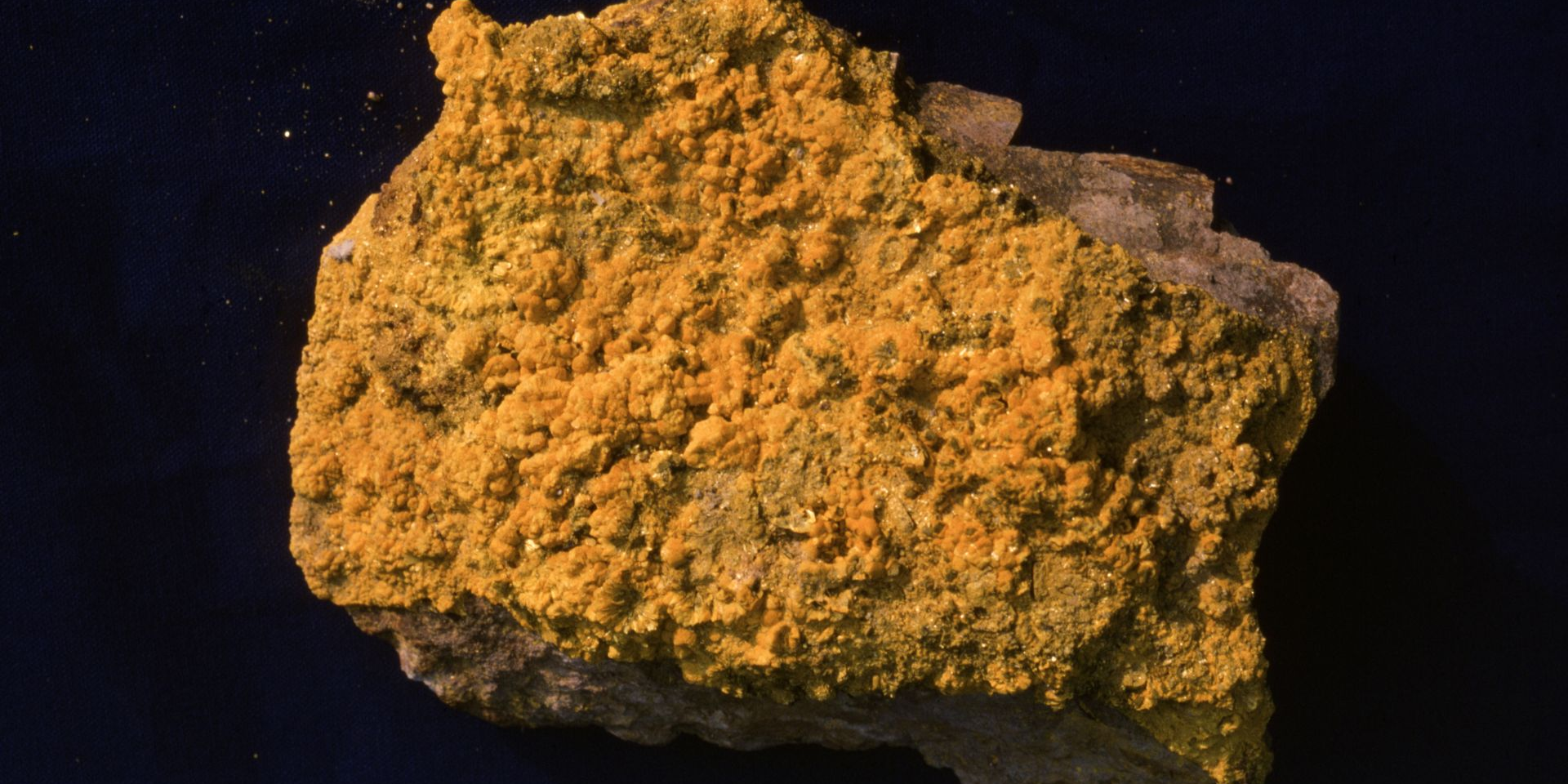
A separate scientific study published in Nature Communications found that uranium can naturally occur alongside copper and cobalt in parts of the Copperbelt.
During hydrometallurgical processing, uranium can follow cobalt into the final product if a dedicated removal process is not used.
Researchers estimated that between 2,000 and 5,000 tonnes of natural uranium may have been exported from the DRC between 2000 and 2024 within cobalt hydroxide shipments, while another 1,000 to 4,000 tonnes may have ended up in mining waste.
The figures are model-based estimates rather than a physical accounting of individual shipments.
The issue has raised concerns about the monitoring of potentially radioactive material throughout the mining, processing and export chain.
It also highlights possible environmental and health risks for mine workers and communities near mining operations, although the available evidence is not sufficient to establish the scale of any health impact.
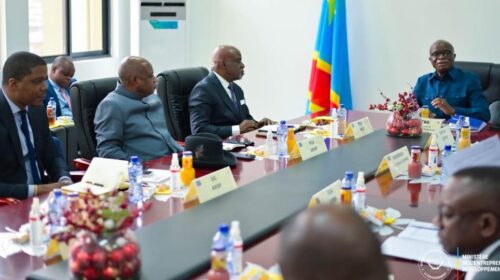
The Congolese government has launched its own investigation and is considering stronger controls to determine uranium levels in exported cobalt.
Authorities have also indicated plans to improve radiation-detection capabilities at mining and export points and explore technical cooperation with the International Atomic Energy Agency.
The controversy comes as the DRC seeks to strengthen oversight of its strategic mineral exports.
With the country supplying a large share of the world’s cobalt, ensuring transparent, traceable and properly monitored mineral supply chains will be increasingly important for maintaining access to international markets.