US Approves US$414 Million Financing for Niger Uranium Project
US Approves US$414M Dasa Uranium Financing as Niger Seeks to Revive Mining Investment
The United States has approved up to US$414.2 million in debt financing for Global Atomic’s Dasa uranium project in Niger, marking a major financing milestone for the Canadian miner and renewed US commercial engagement with the West African country.
The financing was approved by the US International Development Finance Corporation (DFC) and comprises a term loan facility of up to US$397.4 million and a US$16.8 million cost-overrun facility.
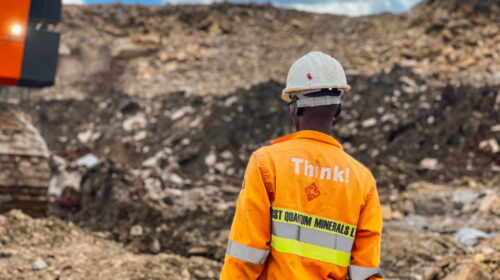
The Dasa project, located in Niger’s uranium-rich Tim Mersoï Basin, is being developed by SOMIDA, which is 80% owned by Global Atomic and 20% by the Niger government. Global Atomic has described Dasa as one of Africa’s highest-grade uranium deposits.
The financing comes two years after Niger ordered US forces to withdraw following the 2023 military coup, which significantly altered the country’s relations with Western governments.
Niger has since strengthened its security ties with Russia while seeking to develop new economic partnerships.
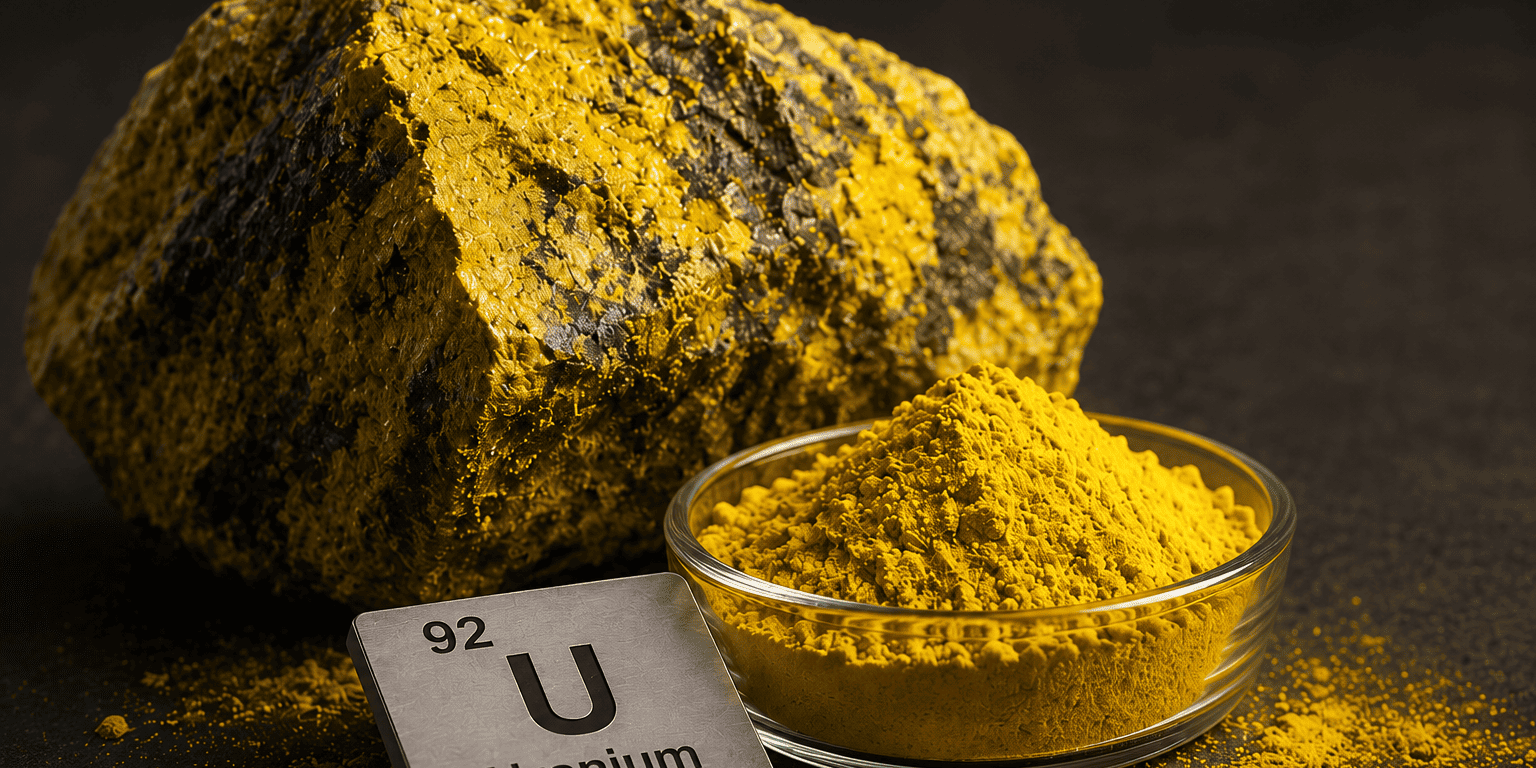
The US financing could give Washington greater access to uranium supplies at a time when the mineral has gained strategic importance for nuclear energy and was added to the US critical minerals list in 2025.
However, the DFC facility remains subject to several conditions, including securing a viable export route for uranium, extending Dasa’s mining convention and permit on satisfactory terms, obtaining government assurances on loan repayments and finalising agreements and loan documentation.
Global Atomic is also examining alternative export routes because of security and logistical challenges affecting traditional corridors. One option under consideration is a route through Algeria and across the Sahara.
The company expects Dasa to begin commercial production in the second half of 2028. Global Atomic said the project had invested US$228.5 million in capital costs by June 30, 2026, while total project costs were estimated at US$777.2 million, including financing costs and contingency.
The Dasa development could therefore become an important new source of uranium supply while strengthening commercial links between the US, Canada and Niger, although security, political and transportation risks remain key considerations for the project.