
DRC Govt Reviews Oil Market Risks With Petroleum Distributors
DRC Monitors Global Oil Price Volatility as Government Meets Fuel Distributors Amid Middle East Tensions
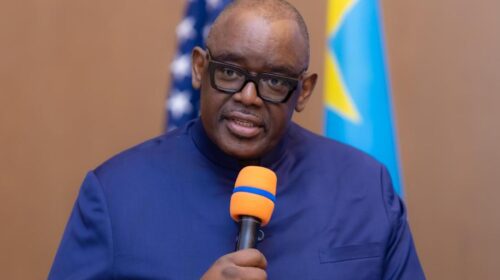
The Deputy Prime Minister and Minister of National Economy of the Democratic Republic of the Congo, Daniel Mukoko Samba, held a working meeting with the Professional Group of Petroleum Product Distributors (GPDPP) in Kinshasa on Tuesday, March 10, 2026, to review developments in global hydrocarbon markets and assess their potential impact on the country’s fuel supply.
According to a statement from the Ministry of National Economy, the meeting provided an opportunity to evaluate the situation of the oil sector amid rising tensions in international energy markets.
Monitoring Global Energy Market Volatility
Discussions focused on strategies to anticipate and mitigate the effects of global price volatility on the national fuel supply chain.
Congolese authorities are seeking to ensure that fluctuations in international markets do not disrupt domestic fuel availability.
The talks come at a time when oil prices remain under pressure following geopolitical tensions linked to the Iran Israel conflict 2026 in the Middle East.
According to international market data, the price of Brent crude oil rose to more than $98 per barrel on March 12, 2026, reflecting concerns over potential disruptions to global supply chains and broader geopolitical uncertainty.
Government Focus on Fuel Price Stability
In response to these developments, Mukoko Samba reaffirmed the Congolese government’s commitment to maintaining stability in the national petroleum sector.
He highlighted the importance of closely managing the Guaranteed Earnings (GAE) mechanism a compensation system designed to stabilize fuel prices in the domestic market while ensuring continuous supply throughout the country.
Authorities consider the mechanism a key policy tool to shield consumers and businesses from sudden spikes in international oil prices.
Strengthening Dialogue With Industry Stakeholders
The meeting with the GPDPP is part of a broader government strategy to strengthen coordination with stakeholders in the petroleum sector during a period of heightened volatility in global energy markets.
By maintaining regular consultations with distributors, the government aims to anticipate potential supply challenges and prevent disruptions that could affect the national market.
A Vulnerable Import-Dependent Market
The Democratic Republic of the Congo relies heavily on imported petroleum products, making the domestic fuel market particularly sensitive to fluctuations in global oil prices.
For this reason, authorities say they are closely monitoring geopolitical developments that could influence international energy markets and, by extension, the country’s economic stability and public finances.
Ensuring a reliable fuel supply across the country remains a key priority for the government as it navigates the uncertainties of the global energy landscape.