
DRC Gold Trading Calls for Tax Relief to Formalise Artisanal Gold Trade
DRC Gold Trading Seeks Tax Cuts to Curb Gold Smuggling and Boost Formal Exports
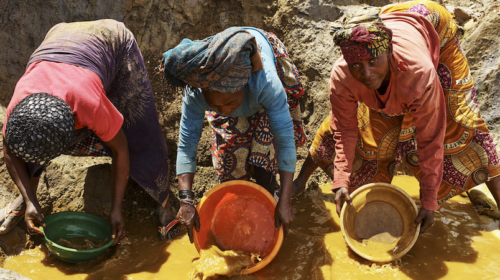
DRC Gold Trading has called for tax relief for gold traders and mining cooperatives in the Democratic Republic of Congo (DRC), arguing that lower tax burdens could encourage more artisanal gold to enter formal trading channels and reduce illicit cross-border trade.
On 9 October 2026, the company’s Managing Director, Joseph Kazibaziba, met with Barnabé Muakadi, head of the Directorate General of Taxes (DGI), to present proposals aimed at making the formal gold market more attractive to operators.
According to BANKABLE, which cited Radio Okapi, the discussions focused on corporate income tax and value-added tax (VAT).
DRC Gold Trading argued that the current tax burden discouraged some traders from using official channels, contributing to the movement of domestically produced gold into informal markets.
The company has not specified the tax rates or provisions it wants the government to amend.
The DRC’s standard corporate income tax and VAT rates stand at 30% and 16%, respectively, although the effective tax burden varies according to the nature of transactions and the applicable tax regime.
To support its proposal, DRC Gold Trading estimates that approximately 75 tonnes of gold leave the DRC illegally each year, particularly through routes to Rwanda and Uganda. The company cited studies valuing these flows at nearly US$10 billion annually.
The estimates highlight the challenges facing the DRC as it seeks to improve oversight of artisanal gold production, strengthen traceability and increase the amount of gold traded through official channels.
DRC Gold Trading believes that reducing taxes could encourage more traders and mining cooperatives to declare their transactions and sell gold through authorised channels.
However, the impact on government revenue would depend on whether the proposed measures successfully bring currently unrecorded transactions into the formal economy.
The outcome would also depend on the tax provisions retained and the effectiveness of enforcement mechanisms.
The tax-relief proposal comes as DRC Gold Trading expands its purchasing network to increase access to formal gold markets for artisanal miners and traders.
The company says it operates in nine provinces and has approximately 10 branches serving areas including the former Orientale Province, the Grand Nord region, the former Katanga Province and the Kasai region.
The network is intended to bring purchasing points closer to producers and traders, making it easier for them to sell gold through official channels and improving the company’s access to artisanal production.
DRC Gold Trading aims to trade between 15 and 18 tonnes of gold in 2026, following reported exports of 3.5 tonnes in 2025.
Reaching the lower end of its target would represent more than four times its reported export volume for the previous year, although the two figures refer to different measures: trading volume and exports.
The company’s proposal forms part of its broader efforts to expand formal gold trading in the DRC.
Whether tax relief will achieve that objective remains dependent on the government’s response and the extent to which revised tax arrangements can make legal trading more competitive with informal channels.