DRC Strategic Fund Backs US$300 Million Power Line to Supply Copperbelt Mines
DRC’s Strategic Investment Fund Backs Zambia–DRC Power Interconnector to Deliver 550 MW to Mining Region
The Democratic Republic of Congo’s (DRC) Strategic Investment Fund (FIS-RDC) has made its first investment by backing a US$300 million cross-border power transmission project designed to strengthen electricity supply to the country’s copper and cobalt mining regions.
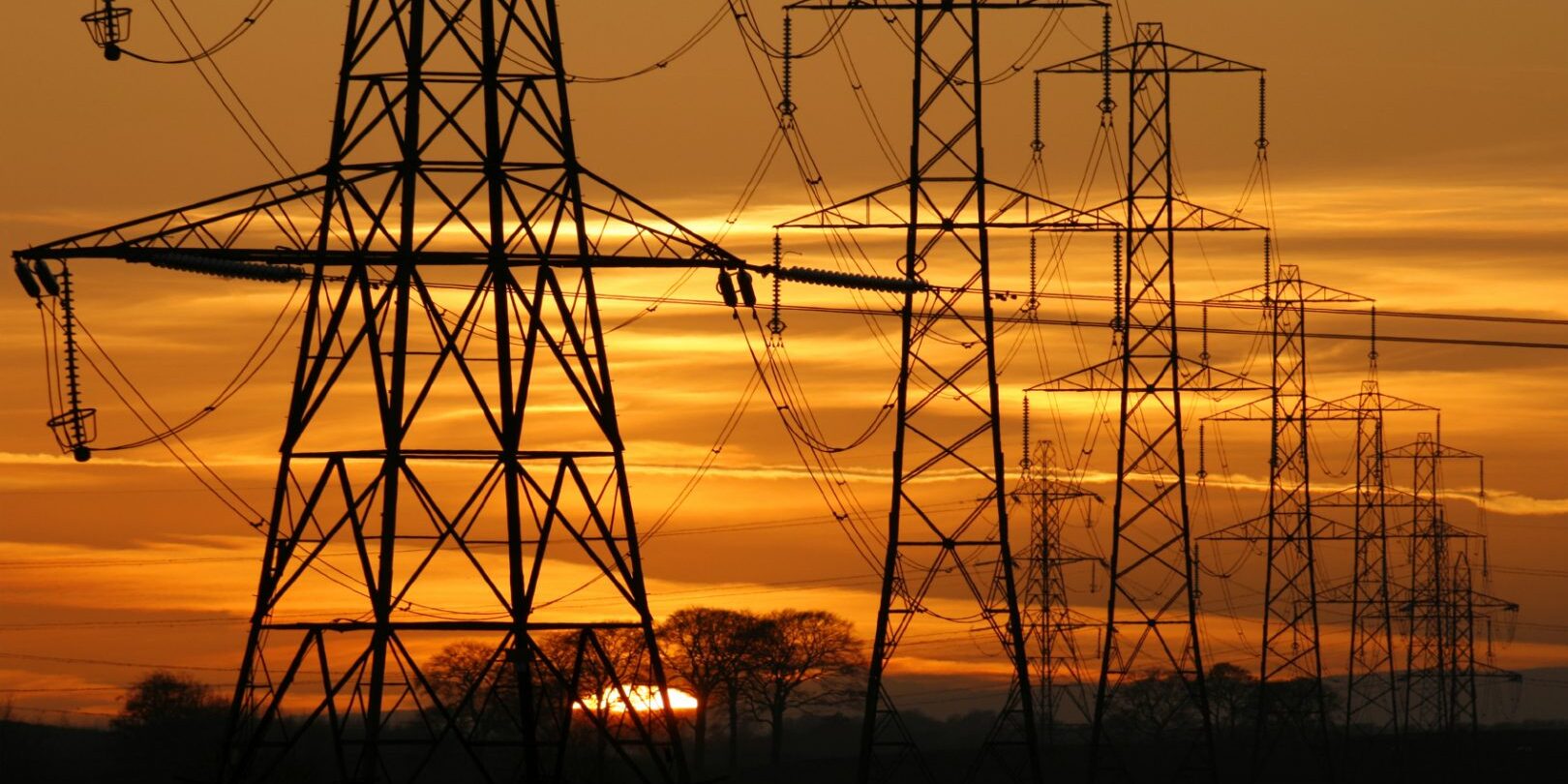
FIS-RDC signed a strategic framework agreement with Enterprise Power DRC (EnPower), Trafigura and Gridworks Development Partners on October 6 to jointly finance, build and operate the Kalumbila–Kolwezi Interconnector Project (KKIP), a 200-kilometre high-voltage transmission line linking Zambia’s Kalumbila area with Kolwezi in the DRC’s Lualaba Province.
The project is designed to deliver up to 550 megawatts (MW) of electricity imports into the Congolese Copperbelt, where persistent power shortages have constrained mining production, mineral processing and industrial expansion.
The transmission line will have a thermal capacity of 700 MW, with its design allowing for a future expansion to more than 1 gigawatt (GW).
It is also expected to strengthen the DRC’s integration into the Southern African Power Pool (SAPP), enabling greater cross-border electricity trading.
FIS-RDC, EnPower and Gridworks have confirmed their intention to invest equity in the project, with Gridworks expected to act as lead equity investor and majority shareholder. Discussions are also underway with Zambian entities regarding potential co-investment.
Trafigura is expected to arrange a significant share of the debt financing required for construction.
The parties have not disclosed individual investment commitments or the timetable for financial close.
EnPower, a licensed Congolese electricity trader and SAPP member, is developing the project.
Gridworks specialises in electricity transmission and distribution infrastructure and is owned by British International Investment, the UK government’s development finance institution.
The project has reached the final stage of development, with the necessary concessions, licences and authorisations secured, according to the parties.
FIS-RDC Managing Director Émile Osumba said the investment reflected the fund’s mandate to support strategic infrastructure capable of generating wider economic benefits, including industrial growth, skilled employment and increased government revenue.
The interconnector is intended to help address the DRC’s structural electricity deficit, which project stakeholders estimate at more than 1 GW.
Additional imports could support copper and cobalt mines, concentrators, smelters and refineries that require reliable, competitively priced electricity to operate and expand.
The developers also expect the project to help unlock mining and mineral-processing investments that have been delayed by insufficient affordable baseload power.
Improved electricity availability could support higher production, greater domestic processing and increased fiscal contributions from the mining industry.
The project is also expected to benefit Zambia by opening additional export opportunities for licensed electricity producers and strengthening demand for power generated in the country.
The developers said discussions with Zambian institutions on potential participation were ongoing.
The KKIP has been under development for several years. In May 2025, EnPower announced a 350 MW power supply agreement with ZESCO and said it had secured an electricity import permit in the DRC.
At that stage, the project was estimated to cost US$250 million, with the International Finance Corporation expected to act as lead arranger.
The current estimated construction cost has risen to US$300 million, while the latest framework brings together public capital, private equity and debt-arranging expertise to advance implementation.
The interconnector forms part of wider efforts to address electricity shortages across the Central African Copperbelt, where demand from expanding mining and refining operations is increasing.
For the DRC, the project could improve energy security in its principal copper and cobalt-producing provinces.
For Zambia, it offers an additional route to market for electricity generation and could support further investment in power supply capacity.