
Zambia Negotiates US Critical Minerals Deal as Copper Sector Gains Strategic Importance
Zambia and US Negotiate Critical Minerals Deal as Copper Supply Chains Gain Strategic Importance
Zambia is negotiating a separate critical minerals agreement with the United States, potentially opening a new avenue for cooperation in copper and other strategic mineral resources as Washington seeks to strengthen supply chains for minerals essential to advanced manufacturing and the energy transition.
Foreign Affairs and International Cooperation Minister Mulambo Haimbe confirmed the negotiations on October 8, saying the proposed minerals agreement had been separated from a new bilateral health financing pact.
“There was this Memorandum of Understanding on health and another on critical minerals, and we were saying that these need to be decoupled, and this has been done,” Haimbe said during the signing ceremony for the health agreement.
The minister said negotiations on the minerals arrangement were ongoing but declined to disclose further details.
The government has not yet identified which minerals would be covered or outlined the proposed agreement’s investment commitments, financing arrangements or conditions for cooperation.
The separation followed Zambia’s resistance to linking US health-sector funding with expanded American access to the country’s mineral resources.
The two agreements are now proceeding on separate tracks, with the health pact signed and the minerals negotiations continuing.
The distinction is significant for the mining industry because the proposed minerals agreement has not yet established any confirmed investment commitments or access arrangements. Its eventual implications will depend on the terms negotiated by both governments.
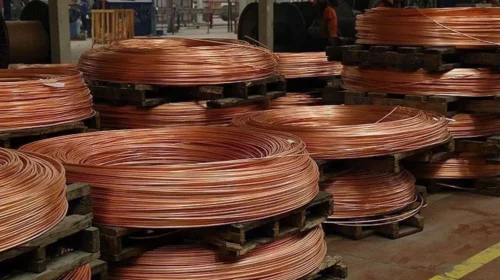
Zambia is sub-Saharan Africa’s second-largest copper producer after the Democratic Republic of Congo and a significant supplier of minerals used in electrification, renewable energy infrastructure and industrial manufacturing.
Copper remains central to the country’s mining sector and export earnings, while the government has sought to expand production, attract new investment and increase domestic mineral processing and value addition.
For the United States, closer cooperation with Zambia could support efforts to diversify critical mineral supply chains and strengthen access to resources needed for energy technologies and industrial applications.
However, the scope of any cooperation and the projects that could benefit have not been disclosed.
The announcement comes amid growing international competition to secure critical mineral supplies, with governments increasingly pursuing bilateral partnerships with resource-rich countries to strengthen supply-chain security and encourage investment in mining and processing.
Any final agreement will therefore be important to watch for its potential implications for Zambia’s mining investment environment, mineral development and domestic value addition.
Until negotiations are concluded and the terms made public, however, the scale of the opportunity for Zambia’s mining sector remains unclear.