
Kamoa-Kakula Cuts Diesel Consumption by 40% with Solar Power
Ivanhoe Mines’ Kamoa-Kakula Copper Complex Reduces Diesel Use as 60 MW Solar-Battery System Reaches Full Capacity
Kamoa-Kakula, the copper mining complex in the Democratic Republic of the Congo (DRC), has reduced diesel consumption by its on-site generators by 40% following the commissioning of new solar power and battery storage facilities.
According to third-quarter results released by Ivanhoe Mines on 8 October 2026, diesel consumption fell by 40% in September compared with July as the solar facilities ramped up operations.
The installations reached full operating capacity on 23 September, supplying the complex with 60 megawatts (MW) of continuous power.
Ivanhoe Mines expects diesel consumption to decline further in the fourth quarter of 2026 as solar energy contributes a larger share of the mine’s electricity supply.
The company has not disclosed the total diesel volumes saved or the financial savings resulting from the reduction.
Solar and Battery System Strengthens Power Supply
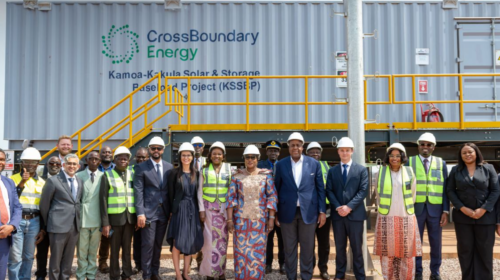
The first phase of the project comprises two hybrid solar power units, each capable of delivering 30 MW of continuous electricity.
Together, they combine 433 MW of peak solar photovoltaic capacity with a battery energy storage system capable of storing 1,107 megawatt-hours (MWh).
The battery system enables electricity generated during daylight hours to be stored and supplied when solar production falls, supporting a continuous power supply to mining and processing operations.
The facilities were developed by CrossBoundary Energy and Green World Energie, which finance, own and operate the installations under power purchase agreements with Kamoa Copper, the joint venture operating the complex.
Construction began in June 2025. The first 30 MW unit started supplying electricity in August 2026, followed by the second unit in late September.
Ivanhoe Mines describes the installation as the largest hybrid solar and battery storage facility at a mining operation in Africa.
Capacity to Double as Electricity Demand Rises
Kamoa-Kakula plans to double its on-site hybrid solar power capacity to 120 MW of continuous supply within the next 18 months to accommodate growing electricity demand.
In April 2026, the complex signed a 30 MW power purchase agreement with Green World Energie. A further 30 MW agreement with Lualaba Solar Company followed in August.
The expansion is intended to support increased mining and processing activity, including the ramp-up of concentrators and the electric copper smelter.
According to Ivanhoe Mines’ projections, the complex’s total electricity demand could rise from 208 MW in December 2025 to 347 MW by December 2028.
The solar and battery installations supplement electricity from the DRC’s national grid, regional power imports and other sources serving the operation.
Renewable Energy Reduces Reliance on Diesel
Kamoa-Kakula has relied on diesel-powered generators to provide backup electricity, particularly when grid supply is unreliable.
The new hybrid facilities are expected to reduce this dependence while helping the operation manage rising power requirements.
The reduction in diesel consumption also demonstrates the potential for large-scale solar power combined with battery storage to support energy-intensive mining operations in regions facing electricity supply constraints.
Although Ivanhoe Mines has yet to quantify the financial benefits of the latest reduction, lower diesel consumption could reduce fuel-related operating costs and exposure to fluctuations in diesel prices.
The planned expansion to 120 MW of continuous hybrid solar power is expected to further strengthen Kamoa-Kakula’s electricity supply as the copper complex increases production and processing capacity.